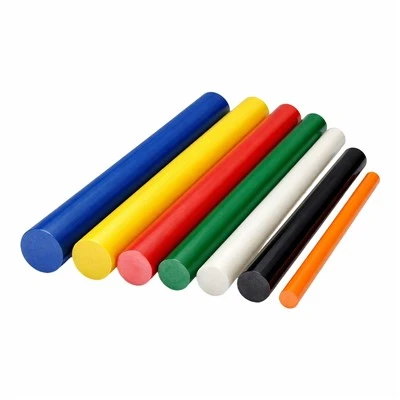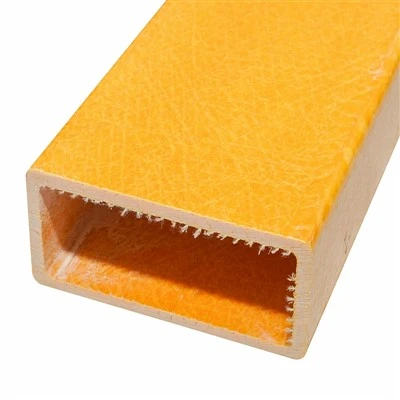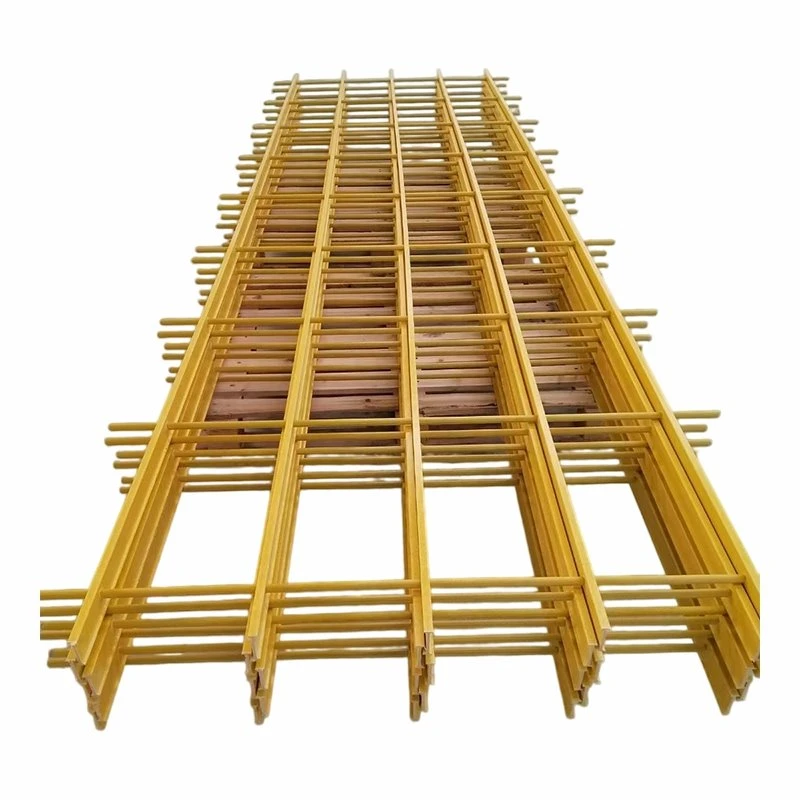


Henan Enbuess Composite Materials Co., Ltd. is one of the leading manufacturers and suppliers of fiberglass i beam in China. We are committed to providing high quality customized service for global clients. If you're going to buy high strength fiberglass i beam made in China, welcome to get free sample from our factory.
Fiberglass I Beam for Girders, Monorails and Equipment Bases
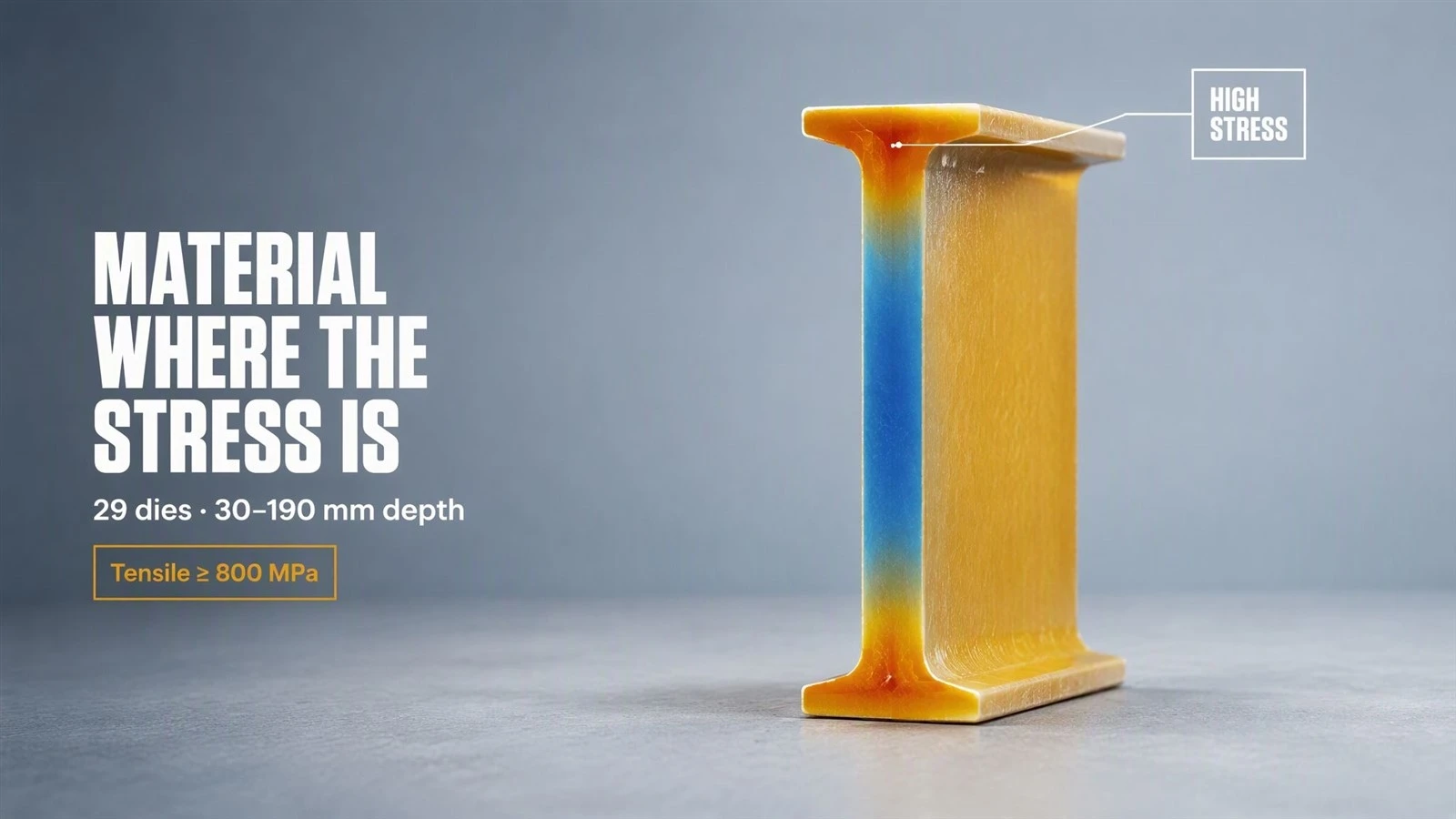
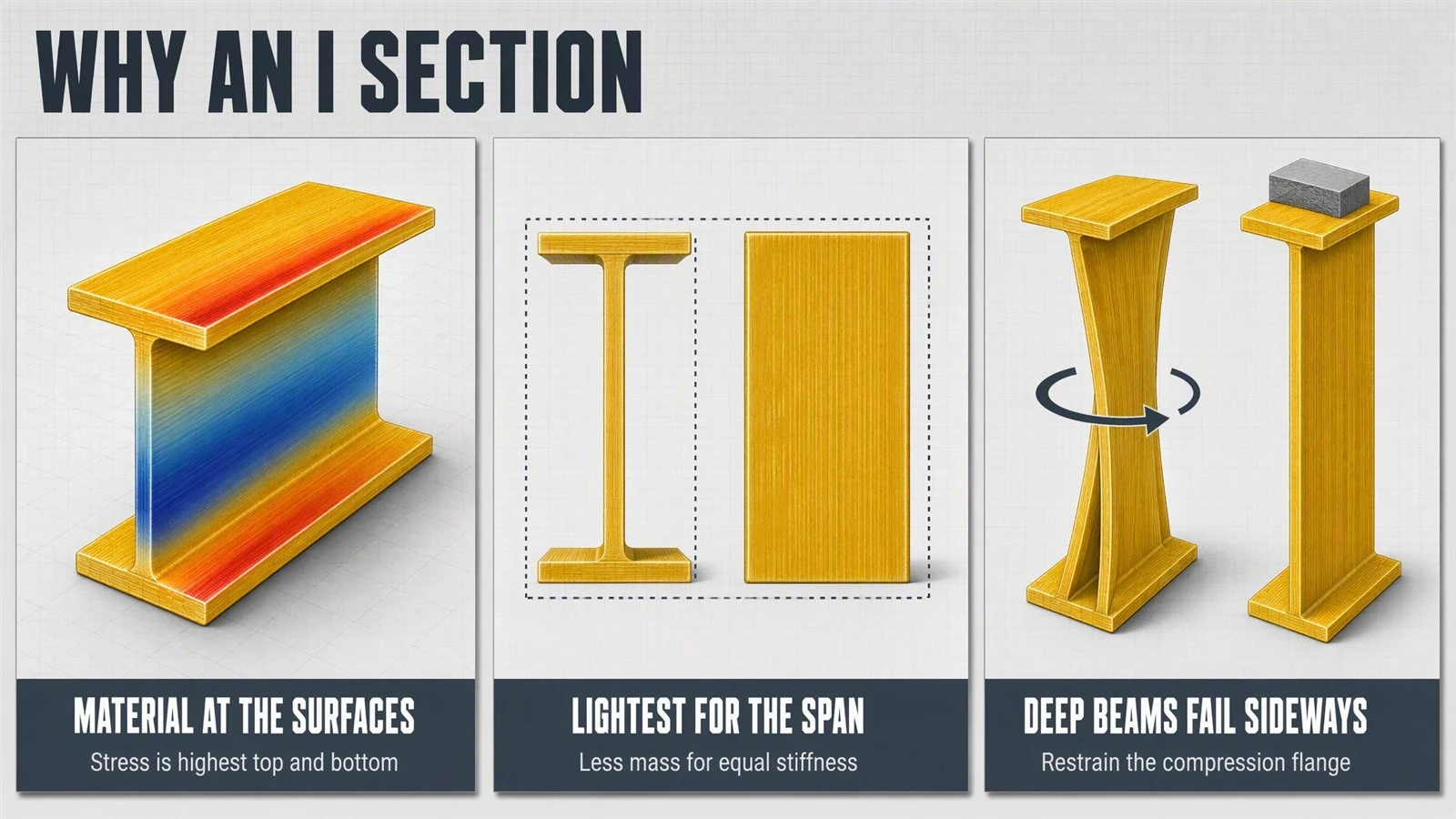
Put the material where the stress is. In bending, the top and bottom flanges do nearly all the work and the web is mostly there to hold them apart - so an I section uses less material for the same stiffness than any other shape we produce.
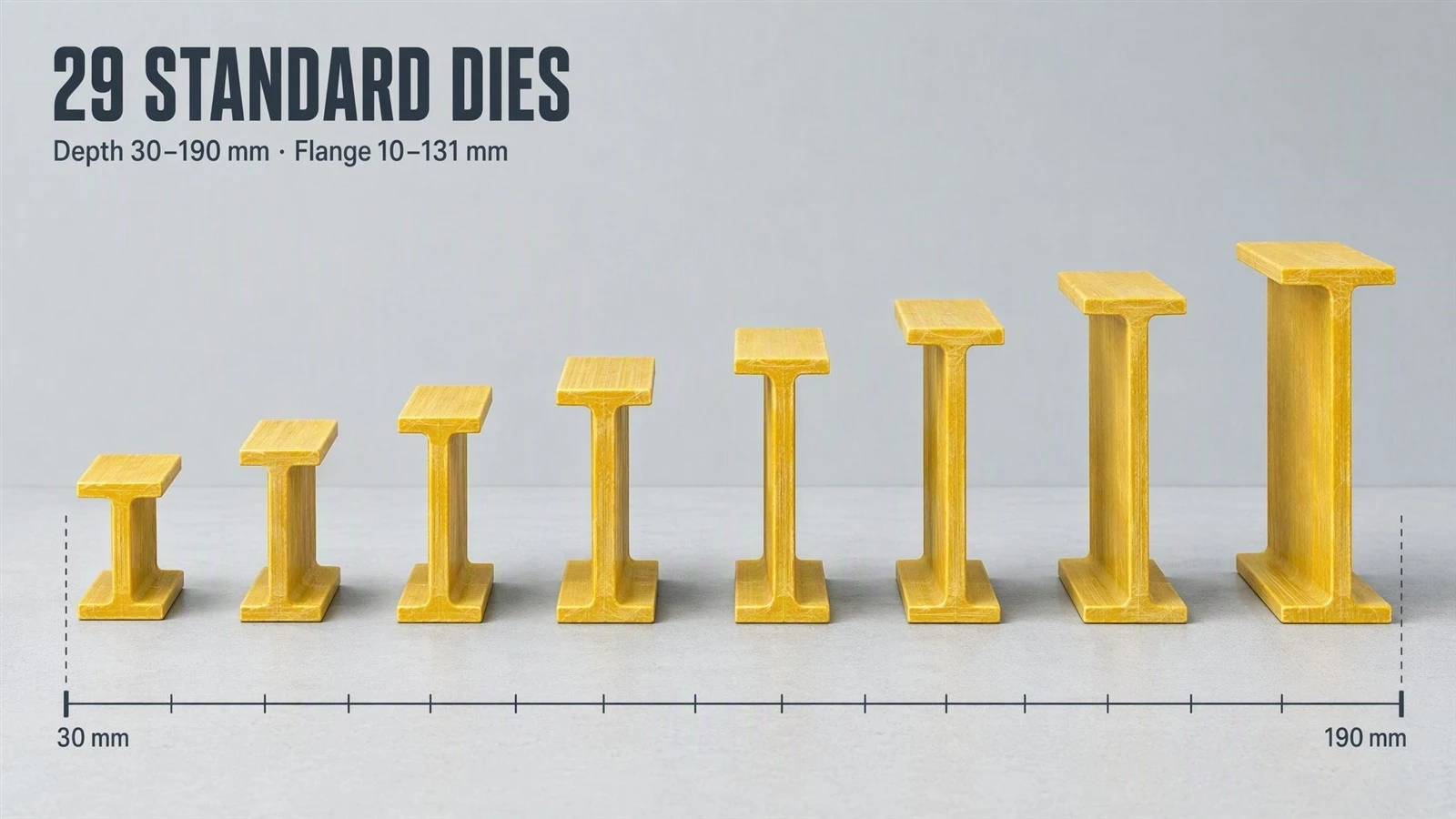
We hold 29 I beam dies from 30 mm to 190 mm deep. They are the sections we most often have to talk a customer out of, because the failure mode of a deep narrow beam is not the one people expect.
Standard sizes
Shown as depth × flange width × web thickness × flange thickness where all four are defined, otherwise depth × flange × thickness.
|
Depth × flange × web × flange (mm) |
Weight (kg/m) |
Tooling |
|
30 × 10 × 5 |
0.43 |
Existing |
|
38 × 15 × 4 |
0.5 |
Existing |
|
50 × 15 × 4.5 |
0.6 |
Existing |
|
50 × 25 × 4 |
0.76 |
Existing |
|
55 × 48 × 5 |
1.4 |
Existing |
|
55 × 49 × 45 × 5 |
1.4 |
Existing |
|
58 × 15 × 4.5 |
0.73 |
Existing |
|
60 × 30 × 4 × 5 |
1.14 |
Existing |
|
60 × 30 × 5 × 7 |
1.33 |
Existing |
|
60 × 40 × 5 × 8 |
2.07 |
Existing |
|
60 × 40 × 5 × 9 |
1.86 |
Existing |
|
60 × 40 × 5 × 10 |
2.58 |
Existing |
|
60 × 50 × 5 × 8 |
2.07 |
Existing |
|
70 × 15 × 4 |
0.84 |
Existing |
|
70 × 52 × 7 × 5 |
2.44 |
Existing |
|
80 × 40 × 5 × 6 |
1.85 |
Existing |
|
80 × 55 × 8 × 12 |
3.75 |
Existing |
|
80 × 70 × 12 × 20 |
5.76 |
Existing |
|
80 × 80 × 10 × 5 |
5.61 |
Existing |
|
90 × 70 × 7 × 8 |
3.96 |
Existing |
|
100 × 50 × 6 |
2.4 |
Existing |
|
110 × 70 × 15 × 20 |
7.73 |
Existing |
|
110 × 100 × 15 × 20 |
- |
Existing |
|
120 × 60 × 7 × 8 |
3.9 |
Existing |
|
146 × 131 × 15 |
11.5 |
Existing |
|
150 × 75 × 6 |
3.58 |
Existing |
|
159 × 88 × 6 × 10 |
5.4 |
Existing |
|
190 × 100 × 14 |
- |
Existing |
A beam's capacity is governed by its section modulus and its second moment of area, both of which we calculate for the exact size you order and supply with the quotation. We do not publish a generic load table, because the answer depends on span, restraint and the lateral support you provide.
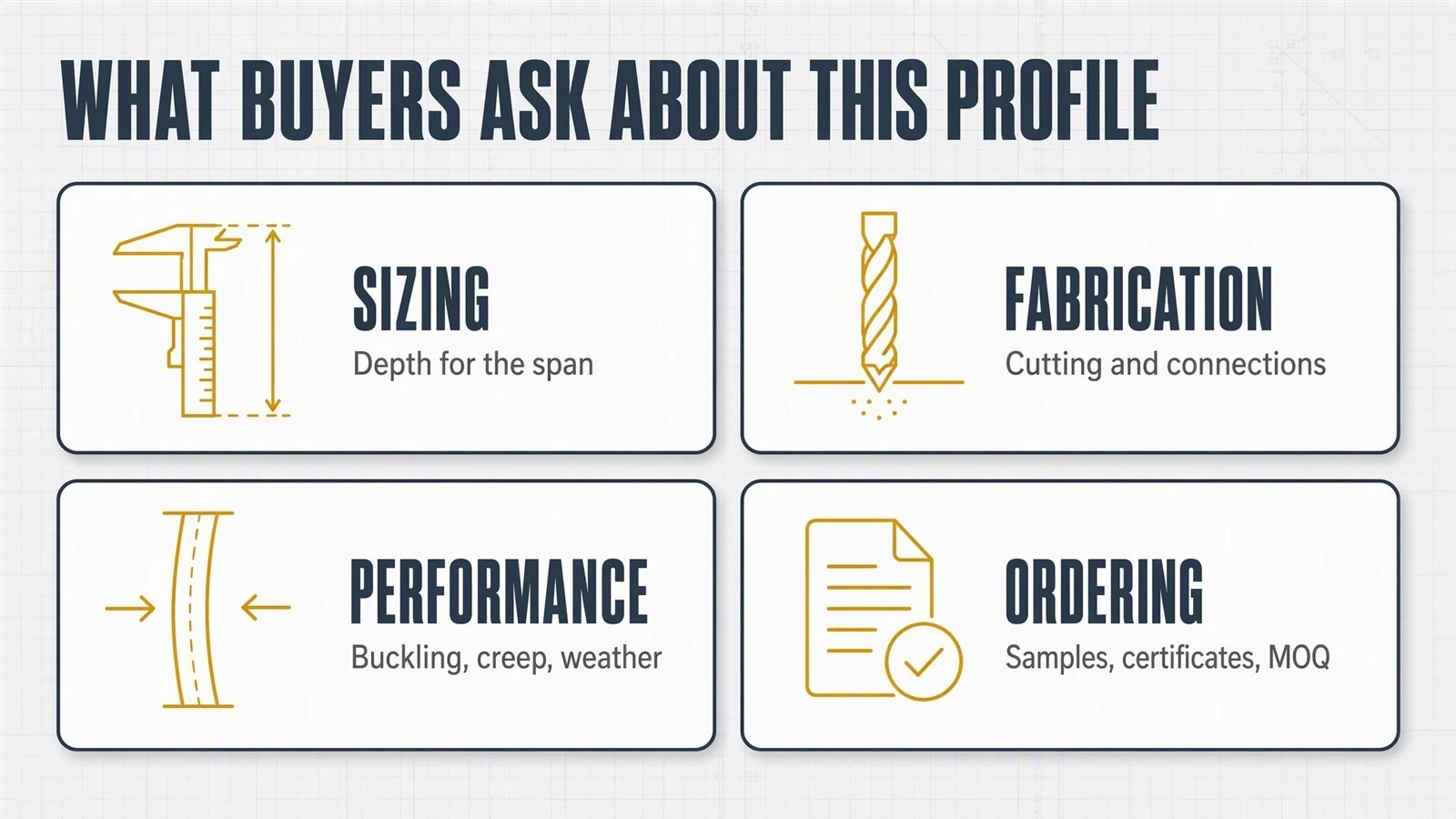
What buyers ask about this profile
Four groups. Each one is answered on this page.
Sizing
What depth do I need for my span?
Do I need lateral restraint?
Is my size held or does it need a die?
What is the flange thickness tolerance?
Fabrication
Can I cut a beam to length on site?
How do I connect a beam to a column?
Will the web crush under a clamp?
Can I drill the flange?
Performance
Why does a deep beam fail sideways?
Will it creep under permanent load?
Does the web buckle?
Can I use it outdoors?
Ordering
How does it compare with a steel I beam?
Can I get a sample length?
Do you supply test certificates?
What is the MOQ on a custom die?
Why an I section
Two reasons it is the most efficient shape we make, and one reason it needs care.
|
Material goes where the stress is |
|
In bending, stress is highest at the top and bottom surfaces and near zero at the middle. An I section puts its material in two flanges at those surfaces and connects them with a thin web. The result is that an I beam of a given weight is stiffer in bending than a solid or hollow section of the same weight - typically by a wide margin. If your design is governed by bending stiffness or by how far a beam can span, this is the shape. |
|
It is the lightest way to reach a given span |
|
For a platform girder, a walkway beam or a monorail, the requirement is usually "carry this load across that gap without deflecting more than L/200." An I section meets that with less material than any other profile, which means less weight to lift into position, lighter supporting columns, and a smaller foundation. On elevated work the savings compound through the whole structure. |
|
But a deep narrow beam fails sideways first |
|
This is the part that catches people out, and it matters more with composite than with steel. An I beam is very stiff about its strong axis and much less stiff about its weak axis. Under enough load, a beam with an unrestrained top flange does not bend downwards - it rolls sideways and twists, and fails at a load well below its bending capacity. Because composite has a modulus around a fifth of steel's, this happens at a lower load and a shorter span than a steel designer's instinct suggests. The fix is cheap: restrain the compression flange along the span, or close the span down. |
Where it gets specified
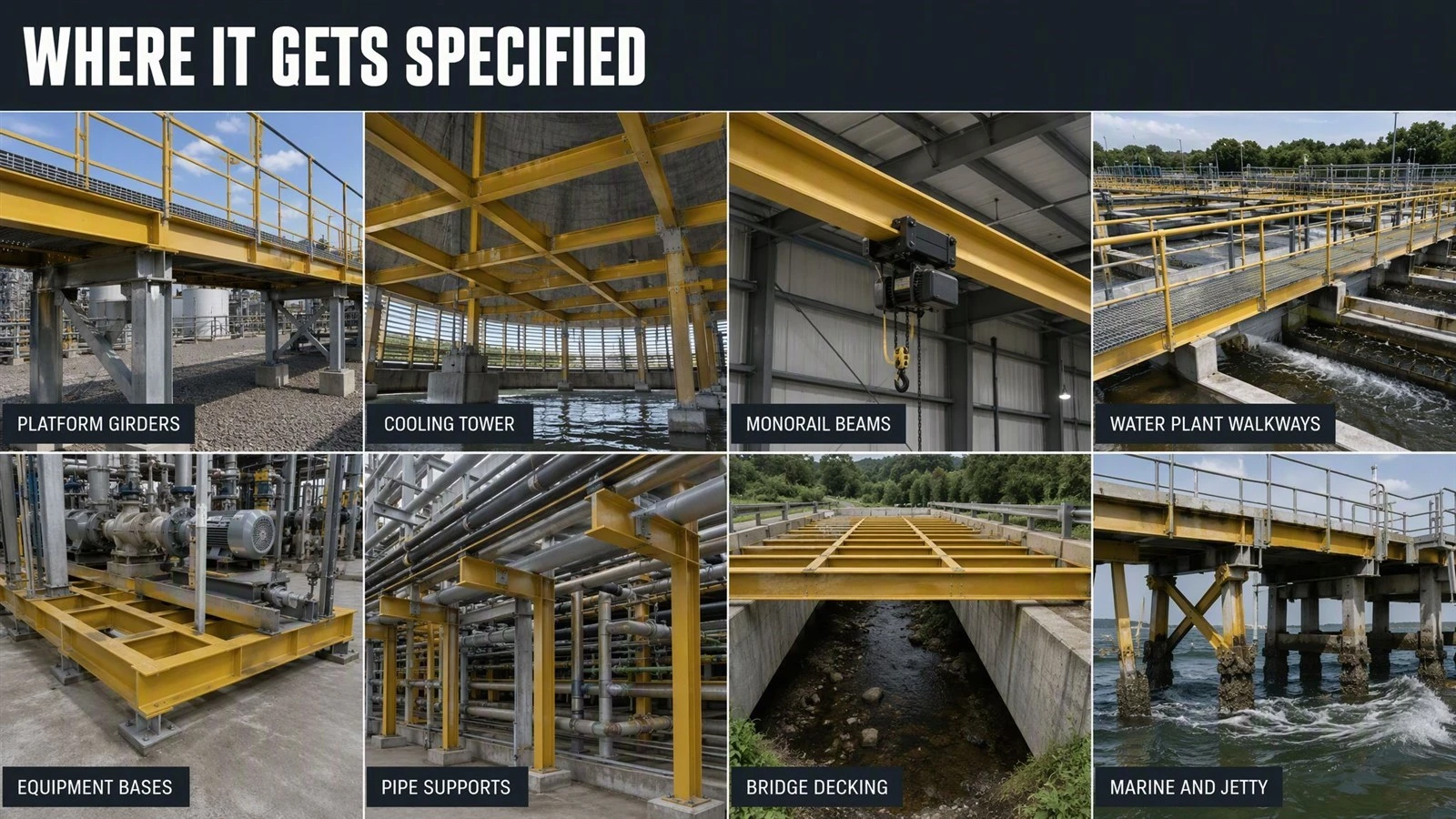
I beam is bought when something has to span and carry.
Platform and walkway girders
Main beams on elevated structures where access for maintenance is difficult.
Cooling tower internal structure
The origin of several sizes on our tooling list.
Monorail and light crane beams
Where a hoist runs along the bottom flange.
Water and wastewater plant walkways
Grit channels, tank covers and launder supports.
Equipment base and skid beams
Supporting plant on a frame that will not corrode at floor level.
Chemical plant pipe supports
Where a steel beam would need coating renewal it will not get.
Bridge and culvert decking
Lightweight decks on corrosive or remote sites.
Marine and jetty structures
Splash-zone beams where coating life is measured in a few years.
Against the metals you are replacing
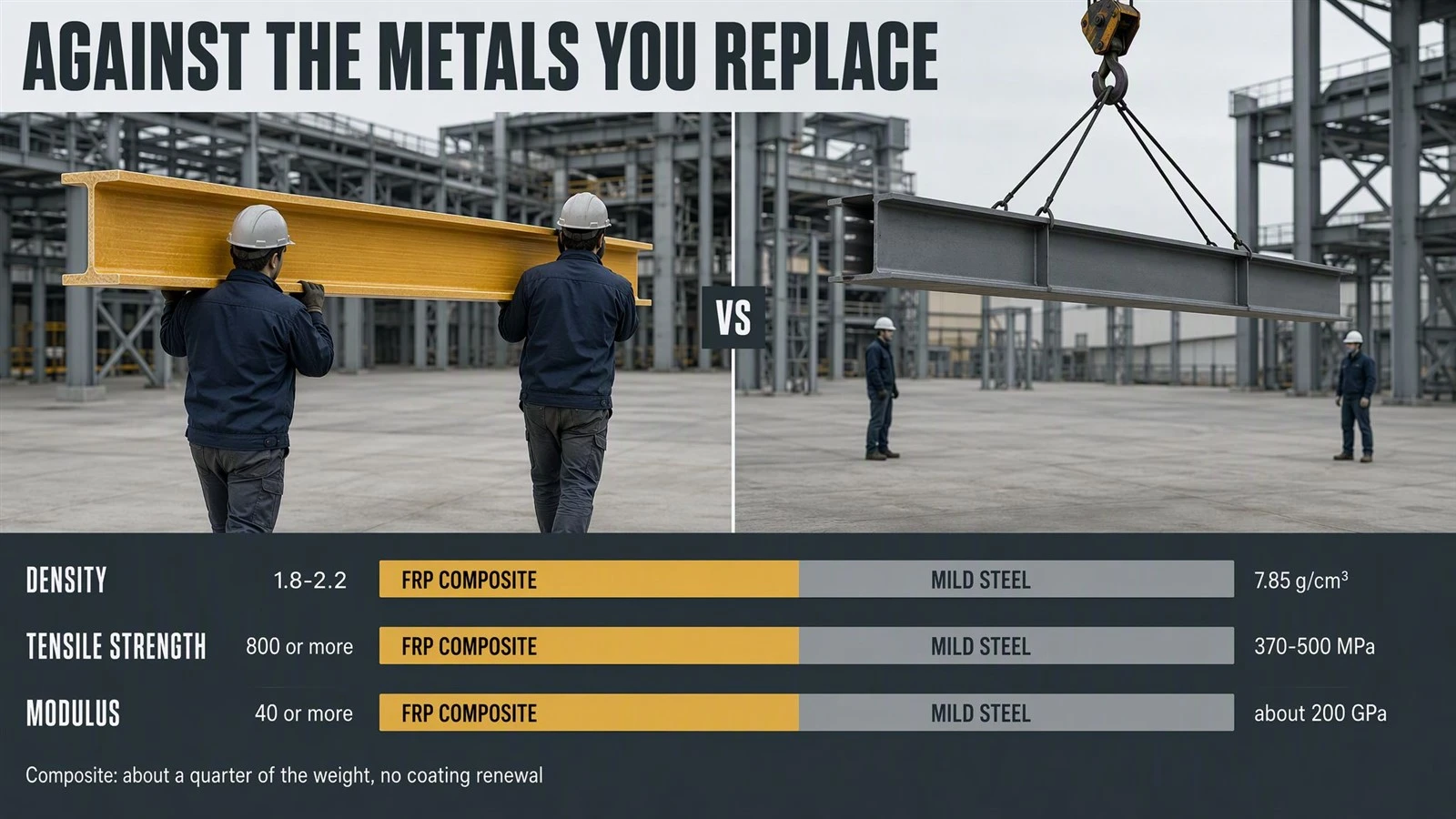
I beam is most often bought to replace a mild steel universal beam or channel, and the argument is usually about access rather than material.
|
Property |
Pultruded composite |
Carbon steel |
Galvanised steel |
Stainless 304 |
Stainless 316 |
Aluminium 6061-T6 |
|
Density (g/cm³) |
1.8–2.2 |
7.85 |
7.85 |
8 |
8 |
2.7 |
|
Tensile strength (MPa) |
≥ 800 |
370–500 |
370–500 |
515 |
515 |
310 |
|
Specific strength |
≈ 400 |
≈ 51 |
≈ 51 |
≈ 64 |
≈ 64 |
≈ 115 |
|
Weight for equal stiffness |
Lowest material mass |
Heaviest |
Heaviest |
Heavier |
Heavier |
Light |
|
Lifting and erection |
Two people, no crane |
Crane required |
Crane required |
Crane required |
Crane required |
Light lift |
|
Modulus (GPa) |
≥ 40 |
~200 |
~200 |
~193 |
~193 |
~69 |
|
Lateral buckling onset |
Earlier - lower E |
Later |
Later |
Later |
Later |
Between |
|
Salt / chloride |
No mechanism |
Rusts through |
Zinc gone in 2–3 yrs |
Pitting, SCC |
Good |
Pitting |
|
Repainting at height |
Never |
3–4 cycles on scaffold |
1–2 cycles |
Inspect in chloride |
Low |
Oxidation control |
|
Electrical |
Insulating |
Conductive |
Conductive |
Conductive |
Conductive |
Conductive |
|
Scrap value at end |
Low |
High |
High |
Very high |
Very high |
High |
The real cost of a steel beam is not the beam
On an elevated structure, the cost that matters is the cost of getting coating applied at height every few years: scaffolding, access permits, production stoppage, and the inspection that goes with it. A composite beam is lighter to erect - two people rather than a crane on many sizes - and then requires nothing. Over 25 years on a difficult-access platform, that is usually where the decision is made.
Where a steel beam genuinely wins
Long spans with a high point load, and anything where depth is constrained. Steel's modulus is five times ours, so where you cannot make the beam deeper, steel reaches the span and composite may not. Say what depth you have available and we will tell you honestly which way it goes.
What the metals do better. Stiffness - steel is about five times stiffer, so for the same depth it spans further and deflects less. Lateral stability: a steel I beam resists sideways buckling far better than a composite one, which is why we insist on compression-flange restraint. Temperature, where steel is unlimited and our resin ceiling sits near 100 °C. And scrap value at end of life.
Material data
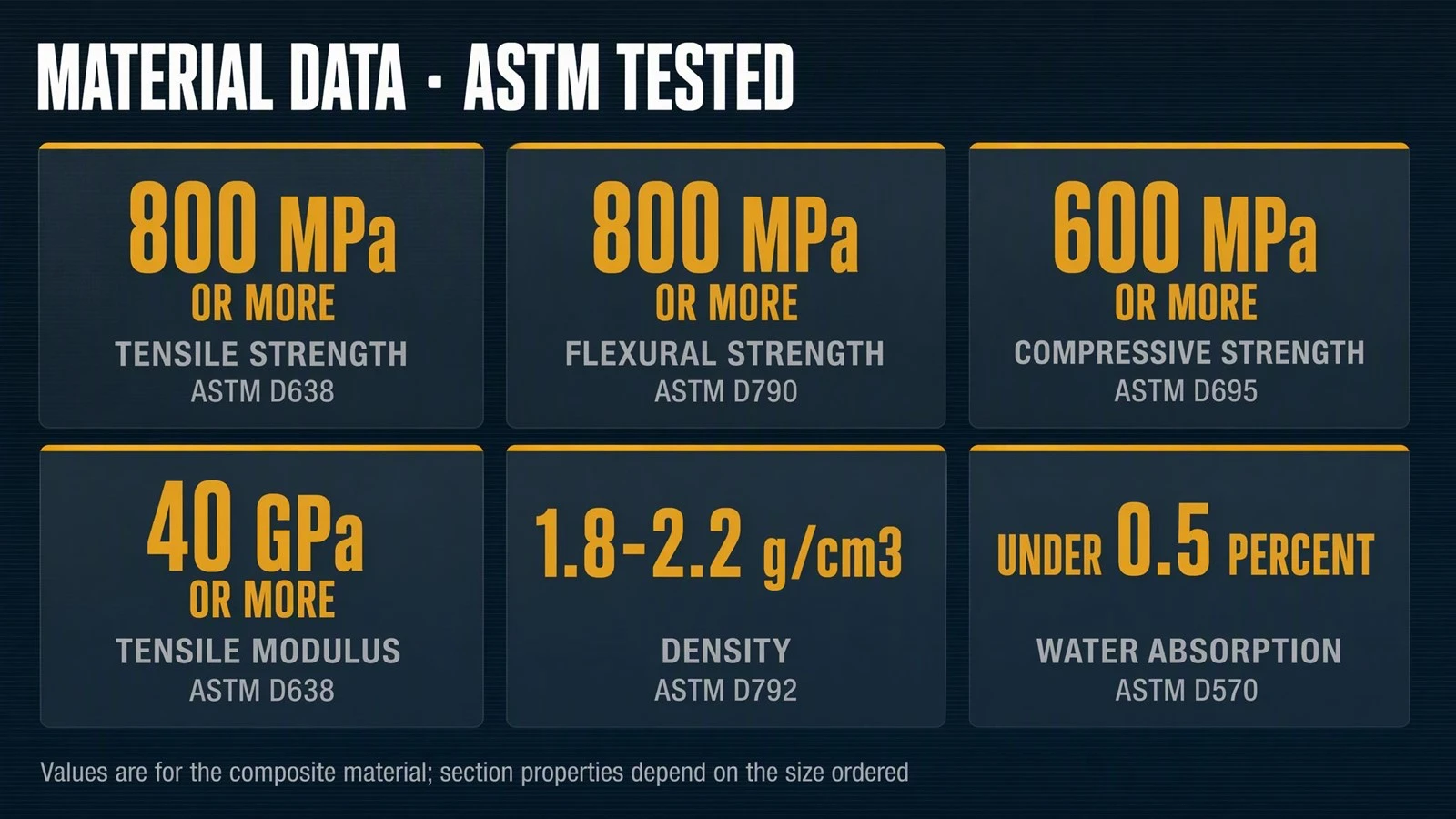
Measured to ASTM methods on the pultruded section. Values are for the composite material; section properties depend on the size you order.
| Tensile strength, longitudinal | ≥ 800 MPa · ASTM D638 | Compressive strength, longitudinal | ≥ 600 MPa · ASTM D695 |
| Tensile modulus, longitudinal | ≥ 40 GPa · ASTM D638 | Density | 1.8–2.2 g/cm³ · ASTM D792 |
| Flexural strength, longitudinal | ≥ 800 MPa · ASTM D790 | Water absorption | < 0.5% · ASTM D570 |
| Flexural modulus, longitudinal | ≥ 35 GPa · ASTM D790 | Barcol hardness | ≥ 55 HBa · ASTM D2583 |
For a beam, the two numbers that matter are the section modulus (for stress) and the second moment of area (for deflection). Both are calculated for the exact size you order, and both depend on the flange thickness you actually receive - which is why we do not publish a generic table.
Custom, cut to length, ordering
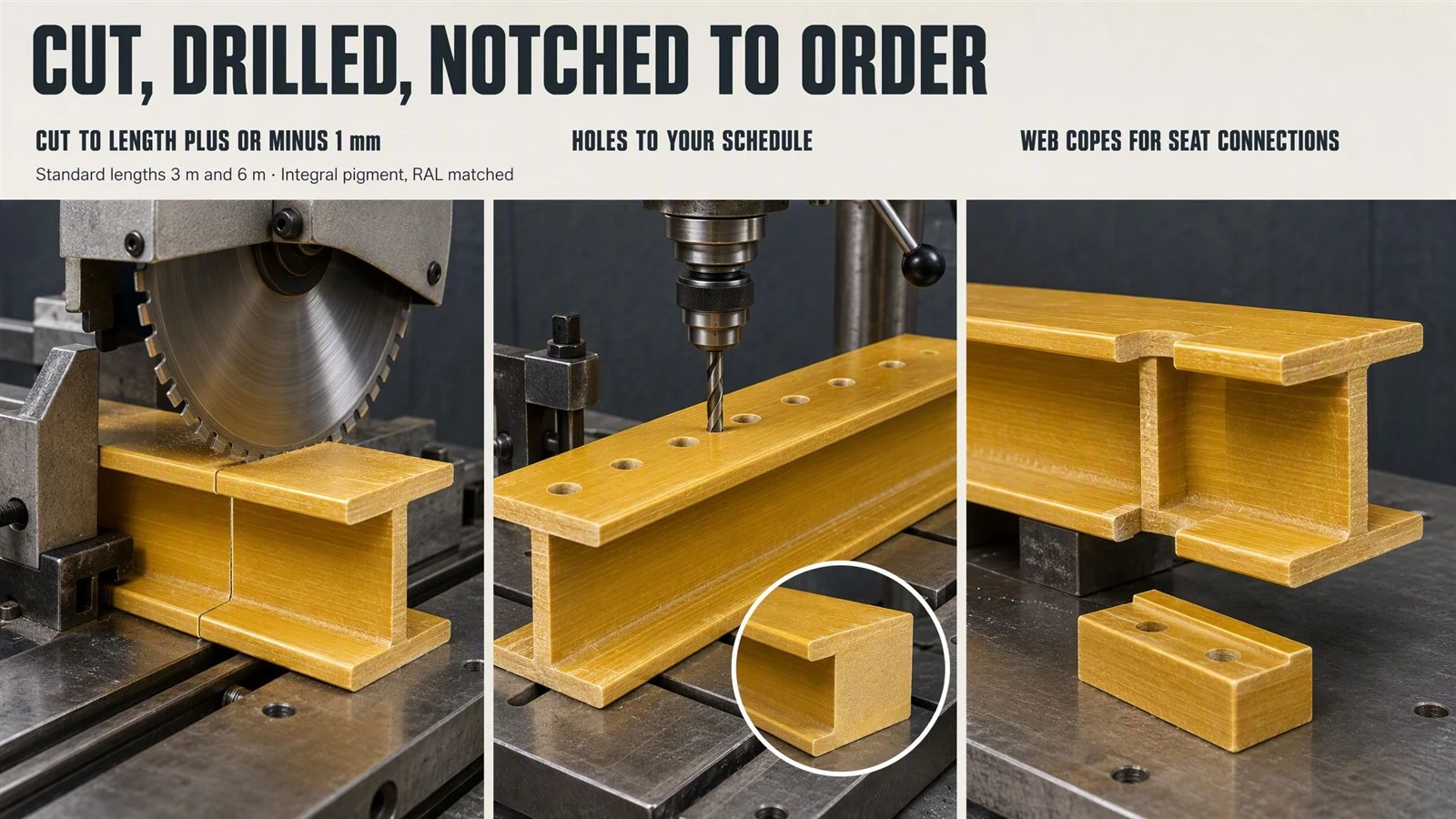
| Cut to length | ±1 mm, square cut | Standard lengths | 3 m / 6 m |
| Drilling | Flange and web holes to your schedule | Tooling lead time | 4–6 weeks |
| Notching and coping | Web copes for seat connections | Custom die MOQ | 1,000 m |
| Bearing plates | Supplied for concentrated load points | Samples | Free samples |
| Colour | Integral pigment, RAL matched | Certificates | ISO 9001; test reports available on request |
Production Process


FAQ
What depth do I need for my span?
Send the span, the load and how the ends are supported. As a rule of thumb, a composite beam needs to be deeper than the steel beam it replaces - roughly 1.5 to 2 times the depth for the same deflection, because the modulus is about a fifth. If you have a depth limit, tell us before we quote, because that is the constraint that decides whether composite works.
Do I need lateral restraint?
Almost always, and more often than with steel. If the compression flange is unrestrained, a deep narrow beam can roll sideways and twist at a load well below its bending capacity. Restraining the top flange along the span is cheap - a purlin, a deck, or a brace - and it is the single most effective thing you can do for a composite beam. We will flag it on every quotation where it applies.
Will the web crush under a clamp?
Yes, if the load is concentrated. The web is thin by design, so any clamp, bolt or point bearing on it needs a bearing plate or a stiffener. This is the most common site problem with composite beams and it is entirely avoidable: tell us where the concentrated loads are and we will supply the plates.
Can I cut a beam to length on site?
Yes, with a carbide-tipped blade and the beam supported on both sides of the cut. Cut the web last - cutting flanges last lets the offcut drop and tear the web. Support the piece so the weight does not pinch the blade.
How do I connect a beam to a column?
Most commonly a seated connection: an angle or a moulded seat under the bottom flange, with a cleat to the web for stability. Avoid relying on web bolts alone. Where the beam sits on a concrete or steel pad, use a bearing plate - composite on concrete needs the load spread at the bearing point.
Will it creep under permanent load?
Yes, more than steel does. Under a sustained load a composite beam continues to deflect slowly, so a beam sized to L/200 on short-term data may sag beyond that over years. We size with a creep-modified modulus and can give you predicted deflection at one year and at 25 years for your load case.
How does it compare with a steel I beam?
Steel is stiffer and reaches a longer span at the same depth. Composite is roughly a quarter of the weight, needs no coating, needs no earthing, and can often be erected by hand. On a corrosive site or one with poor access, composite usually wins over 25 years. On a long span with a depth limit, steel usually wins outright.
What is the deepest beam you hold?
190 mm deep is the largest on existing tooling. Deeper sections need a new die - and a beam die is a real investment, so tell us the depth and the quantity and we will tell you whether tooling or a different profile makes more sense.
Send us the span, the load and the depth you have
Those three numbers decide everything. We will come back with a section recommendation, the deflection figures with the creep allowance included, and whether lateral restraint is needed. If steel is the better answer for the span, we will say so.
Hot Tags: fiberglass i beam, China fiberglass i beam manufacturers, suppliers, factory