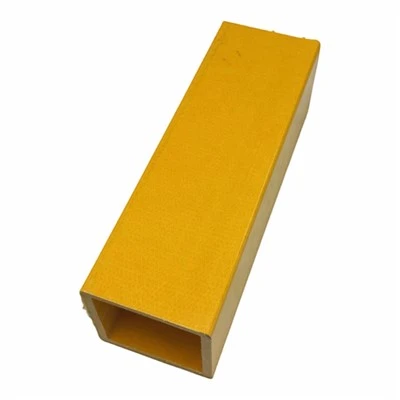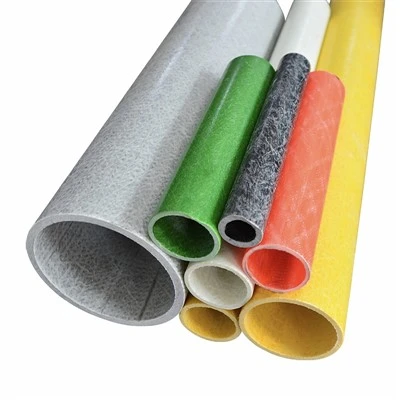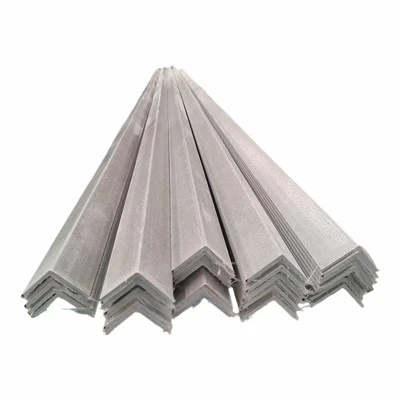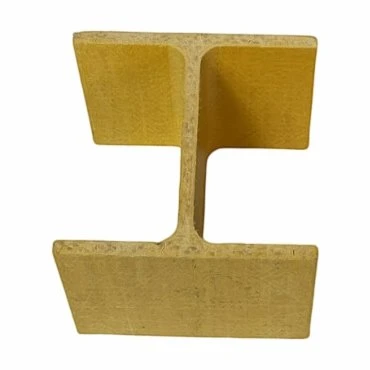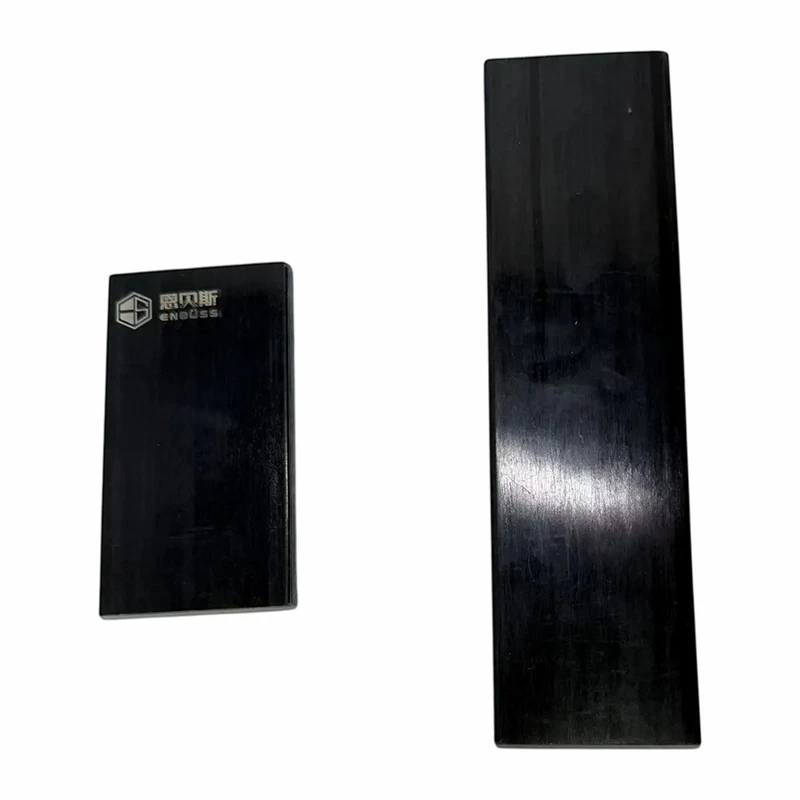


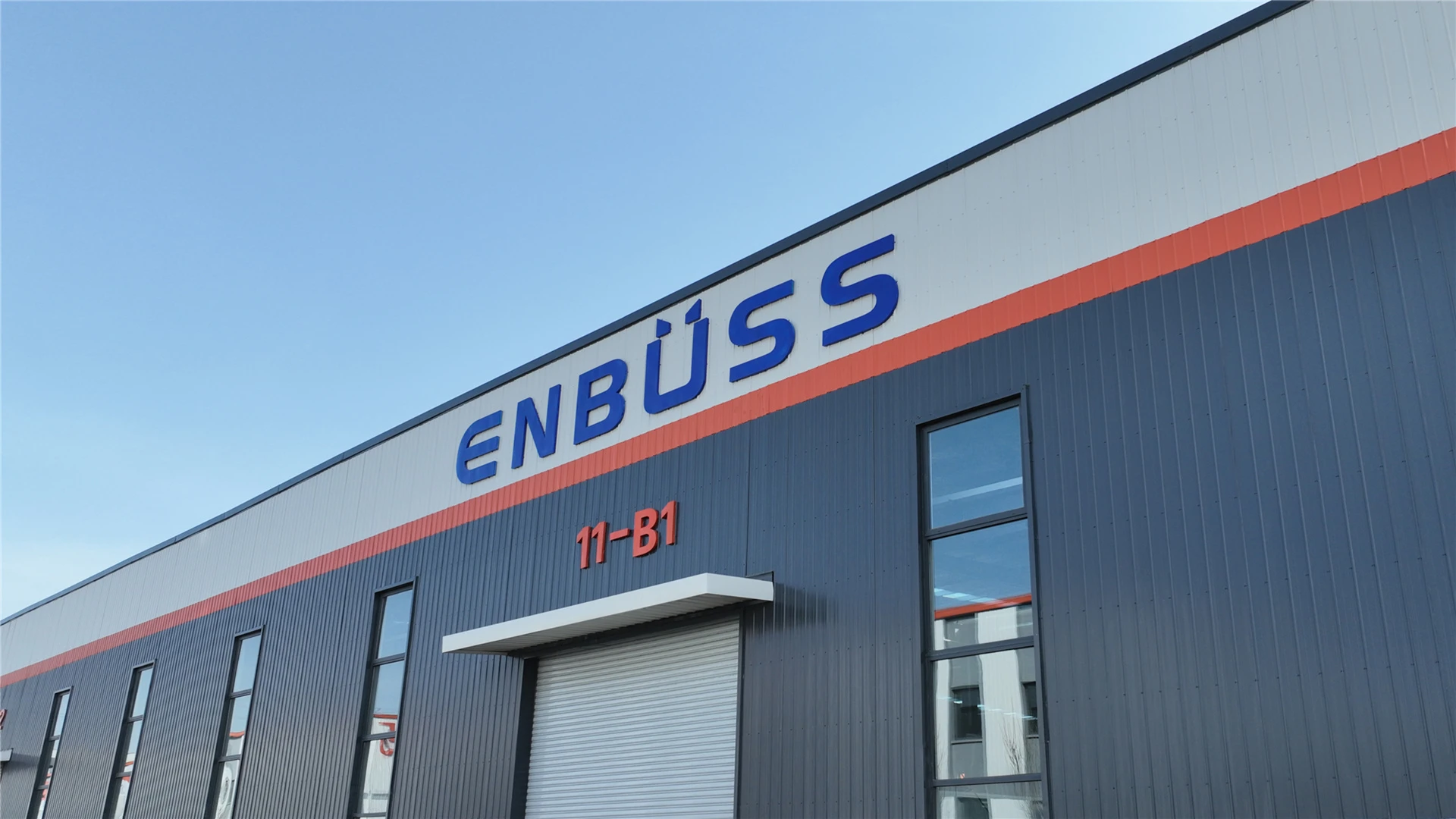
Henan Enbuess Composite Materials Co., Ltd. is one of the leading manufacturers and suppliers of fiberglass flat bar in China. We are committed to providing high quality customized service for global clients. If you're going to buy high strength fiberglass flat bar made in China, welcome to get free sample from our factory.
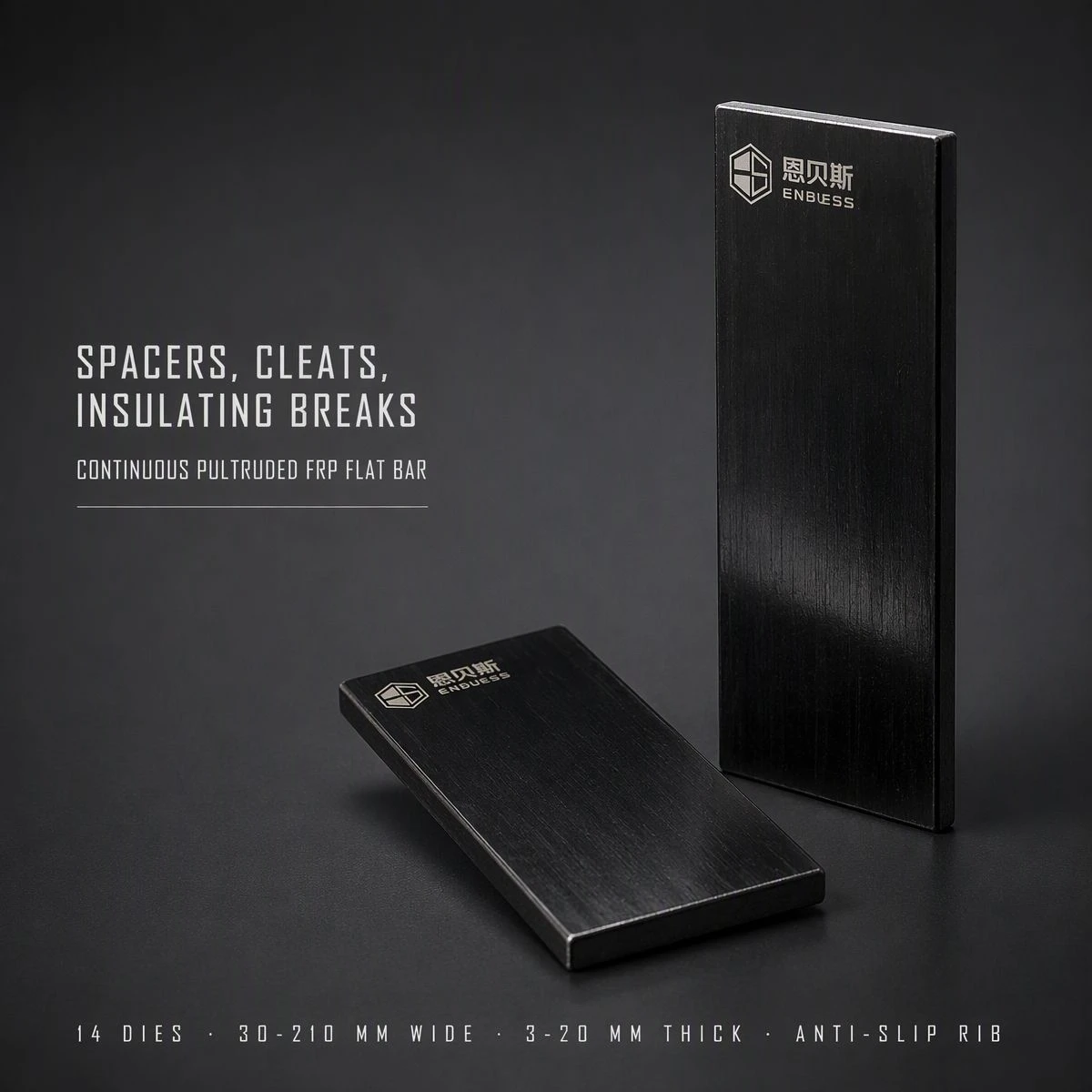
Fiberglass Flat Bar for Spacers, Cleats and Insulating Breaks
Flat bar is the profile people forget to specify - and then discover it was doing the most important job in the assembly. It is the spacer that breaks a galvanic circuit, the cleat that holds a cable run, the shim that stops two metals from touching.
We hold 14 flat-bar dies from 30 mm to 210 mm wide, in thicknesses from 3 mm to 20 mm. One of them is produced with an anti-slip rib pattern, which is what stair nosings and ladder rungs need.

Standard sizes
All rows run on tooling we already hold. Width × thickness, with weight per metre where the die is measured.
|
Width × thickness (mm) |
Weight (kg/m) |
Surface |
Tooling |
|
30 × 3 |
0.18 |
Plain |
Existing |
|
30 × 4 |
0.23 |
Plain |
Existing |
|
40 × 5 |
0.41 |
Plain |
Existing |
|
40 × 6 |
0.52 |
Plain |
Existing |
|
50 × 5 |
- |
Plain |
Existing |
|
55.1 × 4.05 |
0.44 |
Plain |
Existing |
|
55.1 × 4.05 |
0.46 |
Anti-slip rib |
Existing |
|
60 × 4 |
0.49 |
Plain |
Existing |
|
67 |
- |
Plain |
Existing + thickness |
|
80 × 5 |
0.82 |
Plain |
Existing |
|
80 × 10 |
1.59 |
Plain |
Existing |
|
120 × 4 |
0.98 |
Plain |
Existing |
|
210.6 × 20.5 |
9.1 |
Plain |
Existing |
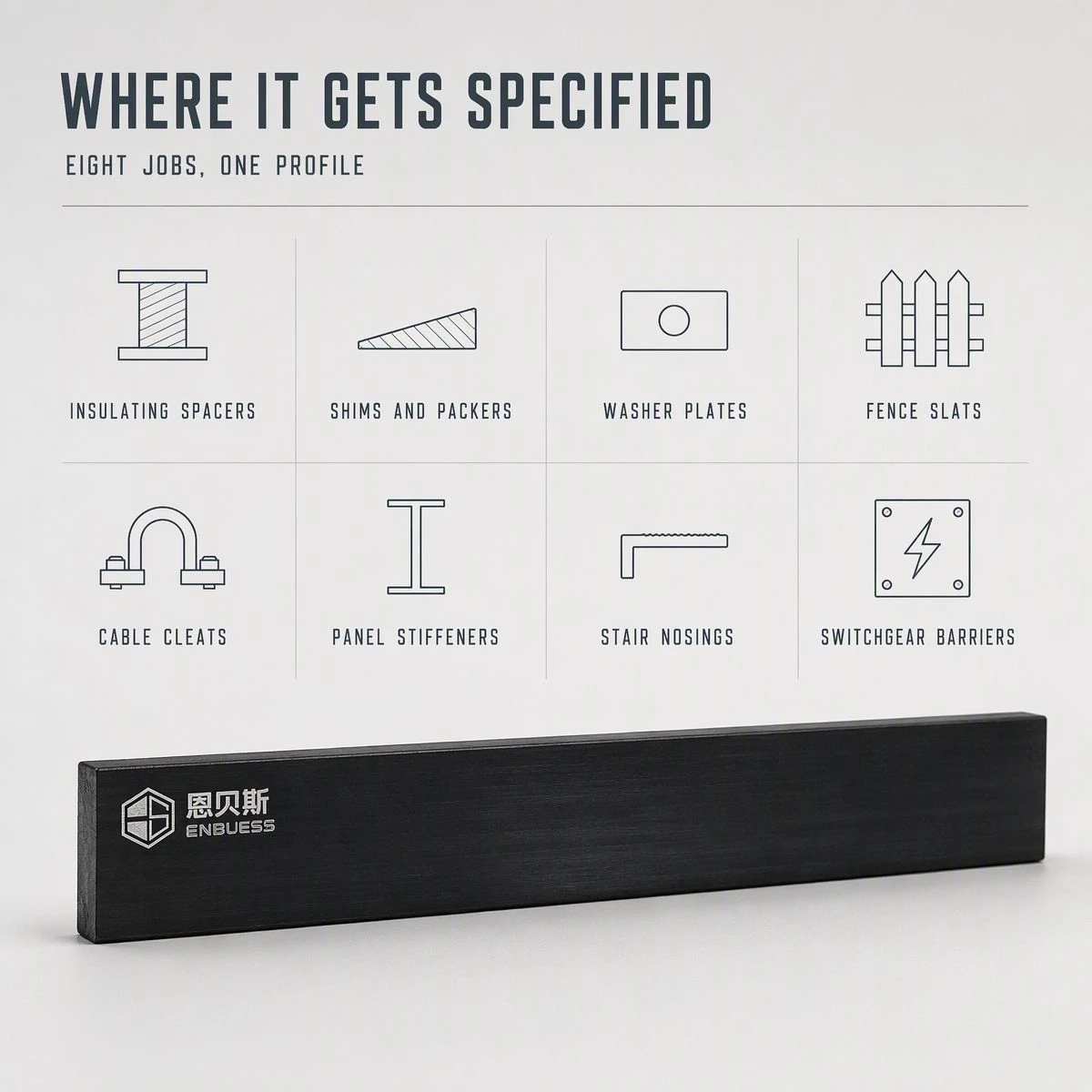
Flat bar is the easiest profile to cut to length and the cheapest to tool, so if your width is close to one of these it is often faster to adjust the design than to open a die. Tell us the width and thickness you need and we will tell you which is quicker.
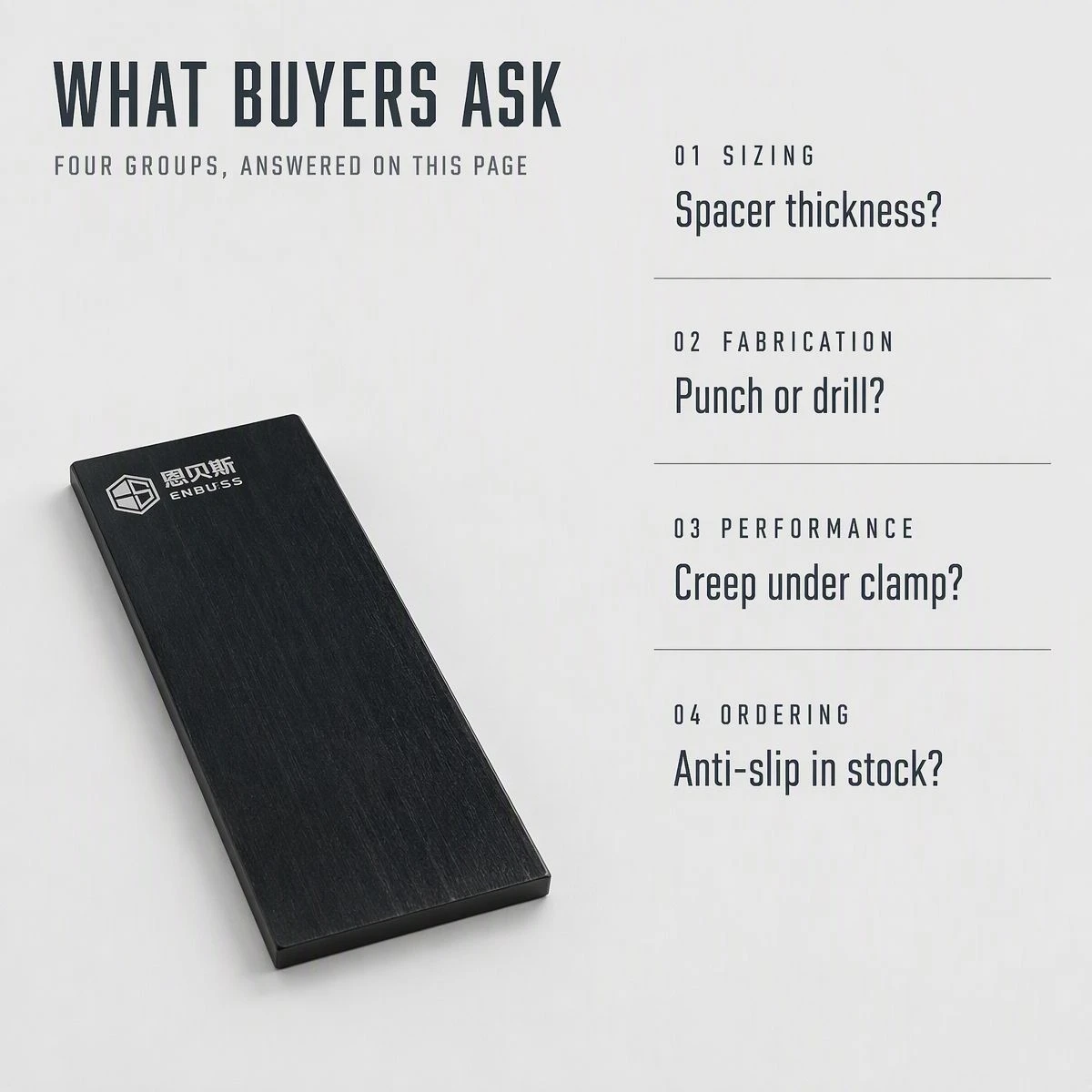
What buyers ask about this profile
Four groups. Each one is answered on this page.
Sizing
What thickness do I need as a spacer?
Can I stack two thicknesses instead of one thick bar?
What is the thickness tolerance?
Do you hold a width near mine?
Fabrication
Can it be punched or drilled?
Will it split along the length?
Can I cut it on site with hand tools?
Can it be glued to metal?
Performance
Will it creep under a bolted clamp?
Does it insulate reliably between two metals?
Will it splinter at the cut edge?
Can I use it outdoors?
Ordering
Is the anti-slip version stocked?
Can I get a sample length?
Do you supply test certificates?
What is the MOQ on a custom die?
Why flat bar does a job no other profile can
Three uses where the flat section is the point, not the convenience.
|
It breaks the electrical circuit |
|
Put a non-conductive strip between two dissimilar metals and galvanic corrosion stops, because there is no longer a path for the current. This is the single most common reason engineers buy flat bar, and it is the reason thickness tolerance matters more here than anywhere else: a spacer that varies in thickness gives you a joint that either will not clamp or crushes. Our flat bar is pultruded to a consistent section so a bolted stack clamps evenly along its length. |
|
It spreads a load that would otherwise crush |
|
Under any bolt head or clamp on a composite member, the limit is local bearing, not the bolt's shear strength. A flat bar used as a backing plate or a washer plate spreads that load over a wider area and raises what the joint will take. It is the cheapest fix for a connection that is failing at the bearing point, and it is the detail we recommend most often. |
|
It is the cheapest profile to tool and to cut |
|
A flat die is simpler than any hollow section, so a custom width is quicker and cheaper to open than a tube. On site, flat bar cuts with a hand saw or a grinder, drills without a jig, and stacks: two thin bars laminated with adhesive give you a thicker section than you can buy, which is often the fastest route to a non-standard thickness. |
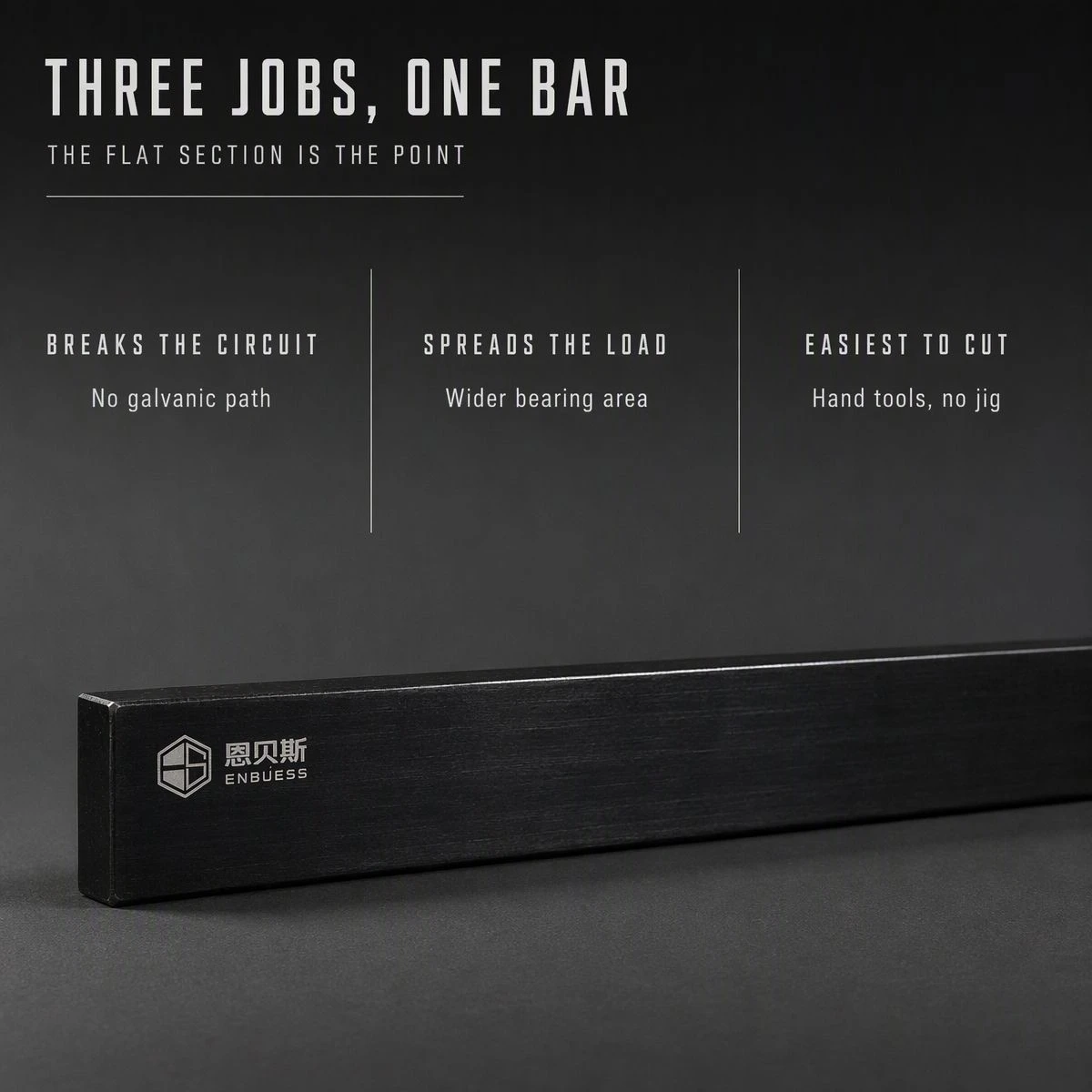


Where it gets specified
Flat bar is usually bought for a job rather than a structure.
Insulating spacers between dissimilar metals
Breaks the galvanic circuit at a steel-to-aluminium or steel-to-composite joint.
Shims and packers
Cut to size on site, will not rust solid the way a steel shim does.
Backing and washer plates
Spreads bolt bearing load across a wider area on any composite connection.
Fence and screen slats
Light, colourable, and no coating to maintain.
Cable tray rungs and cleats
Non-conductive, so no eddy loss and no need to earth the tray.
Sign and panel stiffeners
Bonded or bolted flat to the back of a panel to stop it flexing.
Stair nosings and ladder rungs
The anti-slip rib version, where grip matters more than section.
Transformer and switchgear barriers
Insulating, non-magnetic, and will not carry fault current.
Against the metals you are replacing
Flat bar is most often bought to replace steel shim and packer stock, or aluminium strip.
|
Property |
Pultruded composite |
Carbon steel |
Galvanised steel |
Stainless 304 |
Stainless 316 |
Aluminium 6061-T6 |
|
Density (g/cm³) |
1.8–2.2 |
7.85 |
7.85 |
8 |
8 |
2.7 |
|
Tensile strength (MPa) |
≥ 800 |
370–500 |
370–500 |
515 |
515 |
310 |
|
Specific strength |
≈ 400 |
≈ 51 |
≈ 51 |
≈ 64 |
≈ 64 |
≈ 115 |
|
Electrical |
Insulating |
Conductive |
Conductive |
Conductive |
Conductive |
Conductive |
|
Galvanic corrosion |
Not a failure mode |
Yes |
Yes |
Yes |
Yes |
Yes |
|
Rust-seized fastener risk |
None |
High |
Moderate |
Low |
Low |
Moderate |
|
Modulus (GPa) |
≥ 40 |
~200 |
~200 |
~193 |
~193 |
~69 |
|
Bending stiffness, flat way |
Very low |
Low |
Low |
Low |
Low |
Low |
|
Cut and drill on site |
Hand tools |
Grinder, hot work |
Grinder, re-protect |
Grinder |
Grinder |
Hand tools |
|
Maintenance, 25 yrs |
None |
Paint 3–4 times |
1–2 times |
Inspect in chloride |
Low |
Oxidation control |
|
Scrap value at end |
Low |
High |
High |
Very high |
Very high |
High |
The failure mode flat bar prevents
A steel shim or packer rusts, the rust expands, and the bolt seizes in the joint. When the assembly eventually has to come apart for maintenance, the fastener will not move and the whole joint gets cut out. This is the most expensive kind of corrosion because the material cost is trivial and the labour is not. Composite shims do not seize, so the joint comes apart the way it was designed to.
Where flat bar is the wrong answer
Flat bar has almost no stiffness in the flat direction. It is a spacer, a cleat and a load spreader - it is not a beam. If you need something to span and carry, you need tube, channel or angle. We would rather tell you that at enquiry stage than sell you bar that will not work.


What the metals do better. Steel is far stiffer and, in thin sections, cheaper per metre. Stainless survives temperatures composite resin systems cannot. And all of them carry scrap value at end of life. On stiffness and temperature we lose; on corrosion, electrical isolation and seized fasteners we do not.
Material data
Measured to ASTM methods on the pultruded section. Values are for the composite material; section properties depend on the size you order.
| Tensile strength, longitudinal | ≥ 800 MPa · ASTM D638 | Compressive strength, longitudinal | ≥ 600 MPa · ASTM D695 |
| Tensile modulus, longitudinal | ≥ 40 GPa · ASTM D638 | Density | 1.8–2.2 g/cm³ · ASTM D792 |
| Flexural strength, longitudinal | ≥ 800 MPa · ASTM D790 | Water absorption | < 0.5% · ASTM D570 |
| Flexural modulus, longitudinal | ≥ 35 GPa · ASTM D790 | Barcol hardness | ≥ 55 HBa · ASTM D2583 |
Flat bar is specified by thickness tolerance as often as by strength. If your application is a bolted stack or an insulating spacer, tell us the clamp length and we will confirm the section is consistent enough for it.
Custom, cut to length, ordering
| Cut to length | ±1 mm, square cut | Standard lengths | 3 m / 6 m |
| Punching and drilling | To your hole schedule | Tooling lead time | 4–6 weeks |
| Slotting and notching | Per drawing | Custom die MOQ | 1,000 m |
| Surface | Plain, or anti-slip rib | Samples | Free samples |
| Colour | Integral pigment, RAL matched | Certificates | ISO 9001; test reports available on request |
Production Process


FAQ
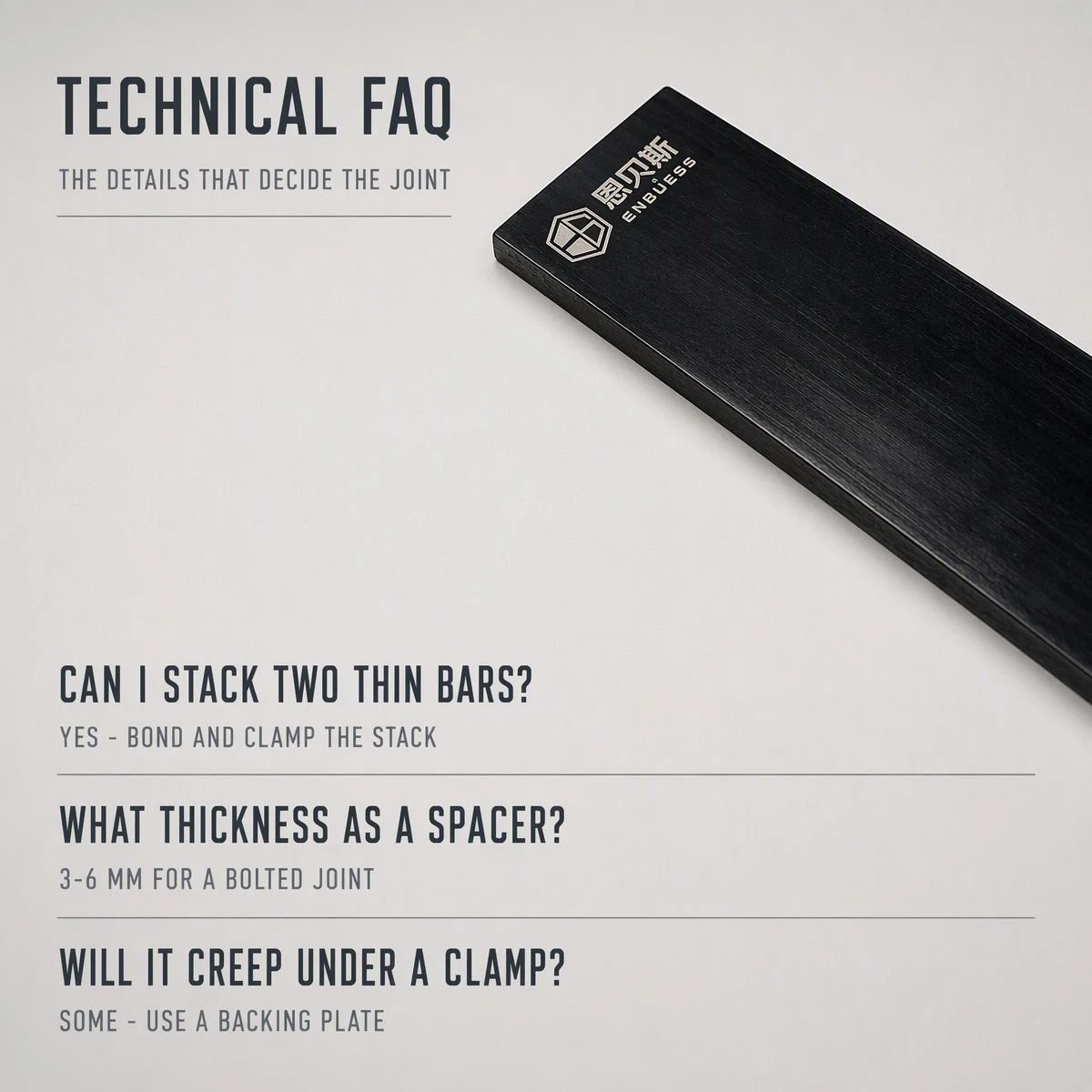
Can I stack two thin bars instead of buying one thick one?
Yes, and it is often the fastest route to a thickness we do not hold. Bond the two with a structural adhesive and through-bolt or clamp the stack. For a spacer application this gives you the thickness you need without a new die.
What thickness do I need as an insulating spacer?
Thin enough to keep the joint stiff, thick enough that the two metals cannot bridge through dust or moisture at the edge. In practice 3–6 mm is the common range for a bolted joint. What matters more than the nominal thickness is that it is consistent along the clamp length, which is why we pultrude rather than cut sheet.
Can it be punched?
Yes for simple holes with a sharp punch and a close-fitting die. Heavy punching tears the fibres at the hole edge. For anything structural, drill rather than punch: a sharp HSS bit at moderate speed with the exit face backed.
Will it split along the length?
Along the length, less than you would expect - the continuous roving runs that way. Across the width is the weak direction, so keep holes at least two diameters from the edge and do not notch the edge without telling us. A hole too close to a cut edge is the usual cause of a split bar.
Does it creep under a bolted clamp?
Yes, over time, more than steel does. Under a permanently clamped joint the preload drops slowly. Use a large-diameter washer or a backing plate to spread the load, specify serrated flange nuts, and plan a re-torque interval. This is why we recommend a backing plate on every bolted composite joint rather than only on the heavily loaded ones.
Is the anti-slip version stocked?
Yes. We hold one die at 55.1 × 4.05 mm with an anti-slip rib pattern, which is the size used for stair nosings and ladder rungs. Other widths with the rib pattern need a new die.
Can it be bonded to metal?
Yes. Abrade, degrease, then bond with a two-part epoxy or MMA. Surface preparation matters more than adhesive choice. This is the standard way to attach a composite cleat to a steel structure, and it avoids drilling the steel at all.
What is the maximum length?
Custom lengths made to order. Flat bar is the easiest profile to ship in long lengths, so if your run is continuous, tell us and we will quote the longest length that works rather than a standard 3 m.
Tell us what it has to separate, support or spread
Flat bar is specified by the job, not the section. Tell us what it is doing - insulating a joint, spreading a bolt load, carrying a cable run - and we will tell you the width and thickness, or tell you if you need a different profile altogether.
Hot Tags: fiberglass flat bar, China fiberglass flat bar manufacturers, suppliers, factory