

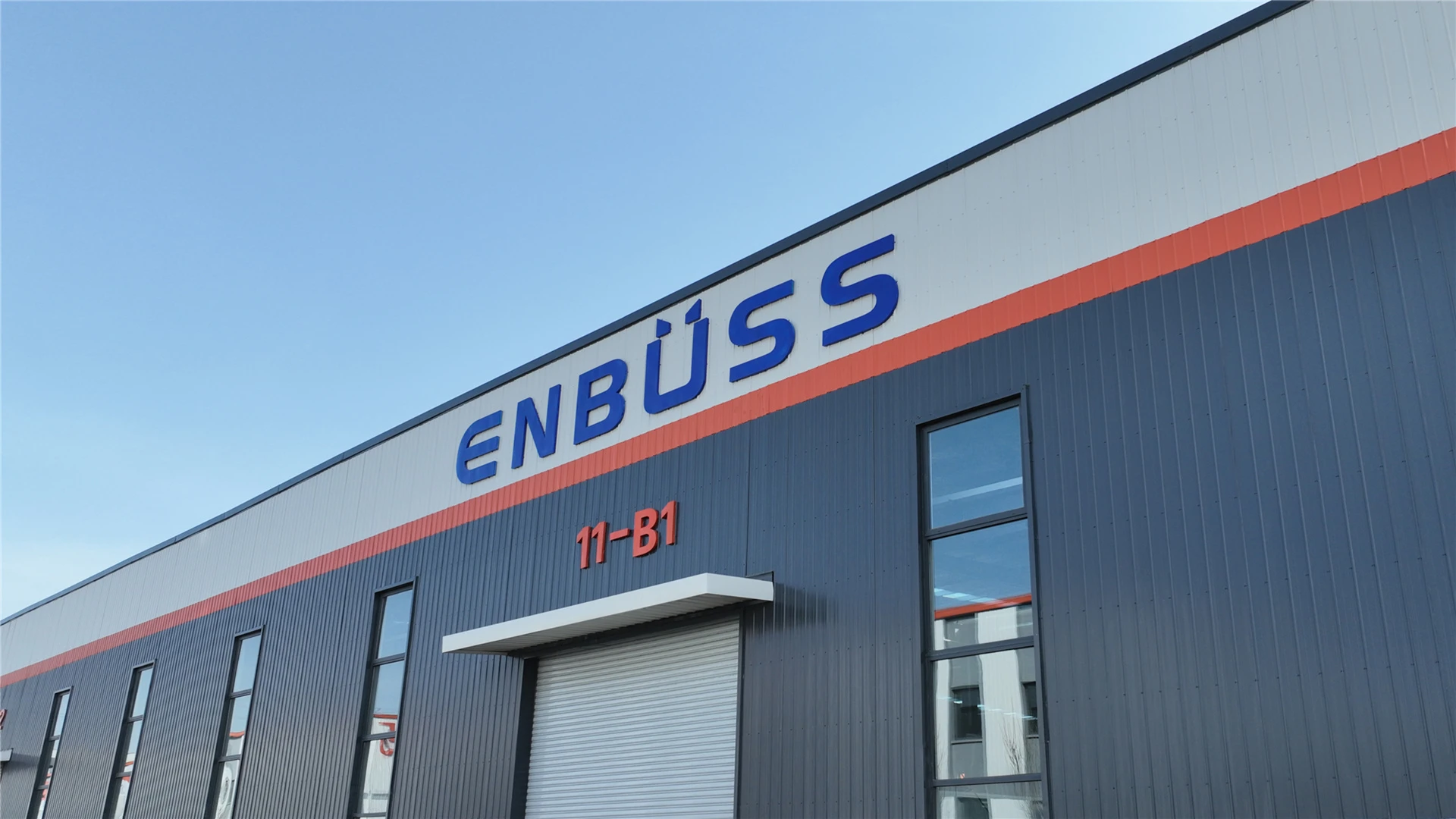
FRP structural products that turn a chemical-plant from "old and rusty" into a facility engineered for 25+ years
Fiberglass-reinforced polymer handrails, platforms, ladders, purlins, louvers, and large cooling towers for chemical, acid, alkali, and salt-exposed industrial environments. One accountable supplier for the structural envelope and the access platforms inside it.
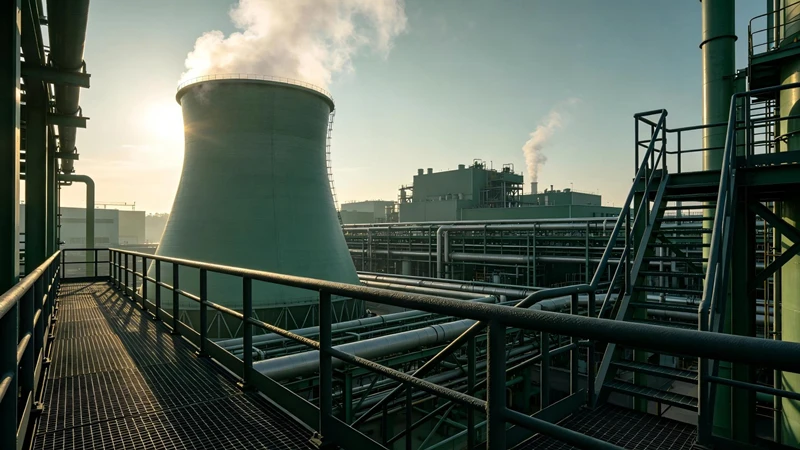
WHO BUYS THIS
You are replacing steel that has rusted through - for the second time
The buyers who arrive at this page are plant maintenance engineers, EPC contractors on chemical and acid facilities, and asset managers specifying the next 25-year refurbishment of a corrosive-process site. Their existing steel handrails, platforms, ladders, and purlins are showing the third or fourth paint failure cycle, the steel beneath is thinning, and they are tired of the same annual shutdown repair routine. This category page walks through the six FRP product groups that Enbuss supplies into industrial facilities - what each is for, what environment it survives, and what it does not.
PRODUCT GROUPS
Six FRP industrial product groups
Each card links to a product page with engineering data and customer-fit scenarios.
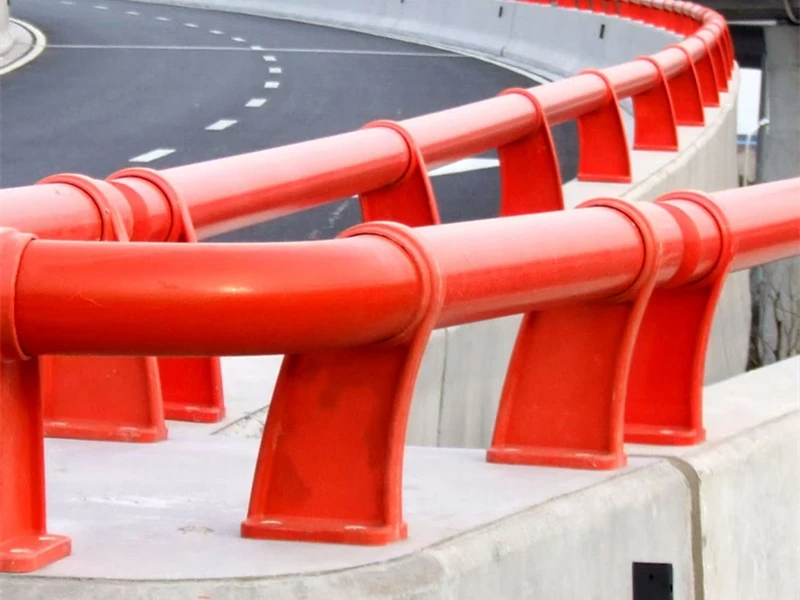
FRP handrail for industrial facility
Pultruded FRP handrail and kick plate for plant walkways and access platforms. Yellow safety color integral in the resin. No painting cycle.
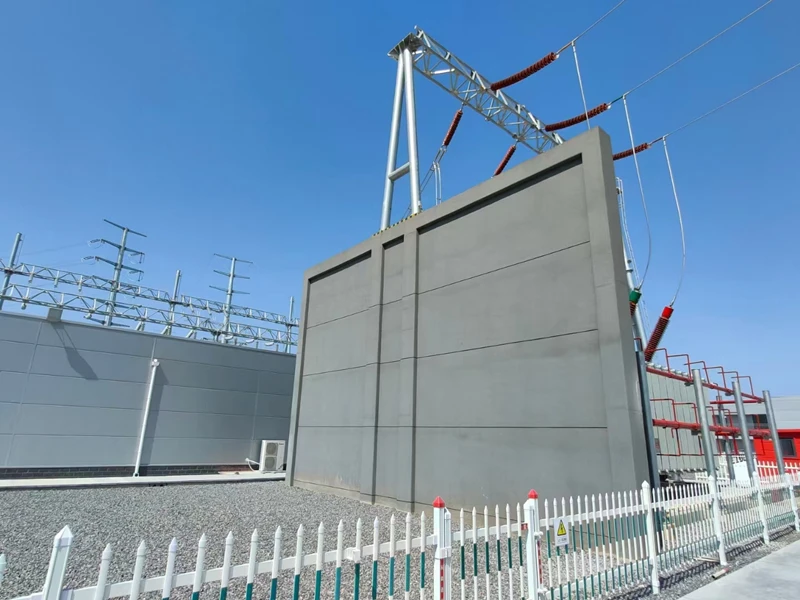
FRP structural platform
Molded-grating platform on FRP structural beam, designed for chemical, acid, and alkali exposure. Drop-in to standard support geometry.
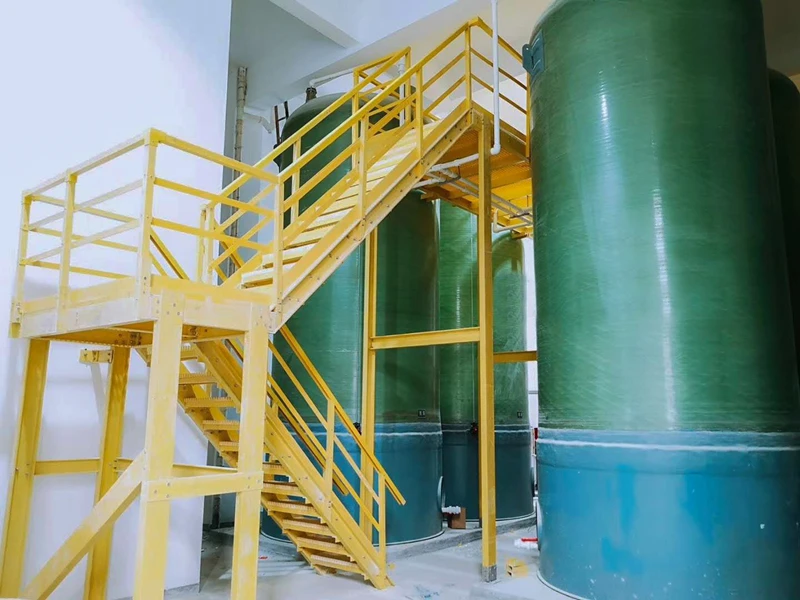
Large FRP cooling tower
FRP structural envelope and fill support for industrial cooling towers up to utility size. Replaces concrete + steel where corrosion ends the asset.

FRP industrial ladder
FRP vertical and inclined ladders with integral safety cage for chemical-plant access. OSHA-compliant geometry; non-conductive option.
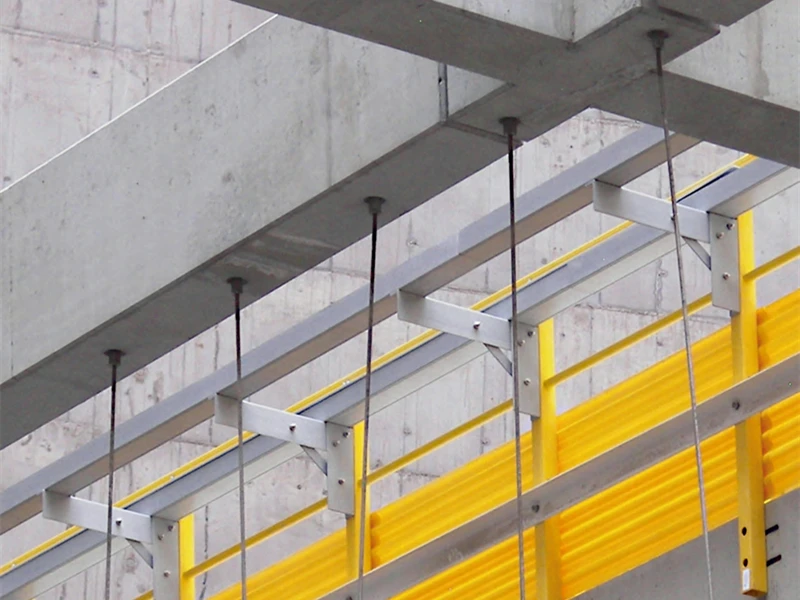
FRP roof purlin
Pultruded FRP purlin for chemical, coastal, and salt-spray industrial buildings. Replaces galvanized steel purlin in corrosive atmospheres.
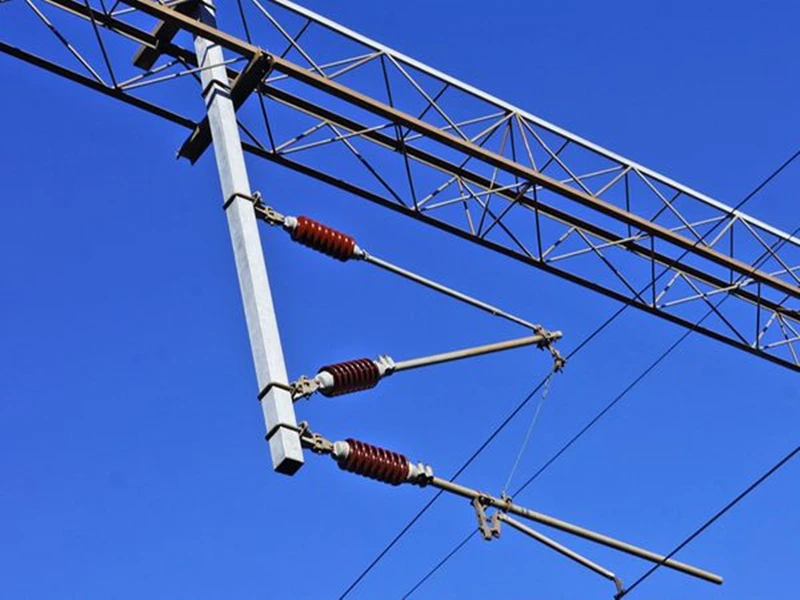
FRP industrial louver
FRP louver for plant facades, mechanical rooms, and coastal buildings. Corrosion-proof blades, drainage path, optional insect screen.
MATERIAL PROPERTIES
What FRP gives you versus steel, concrete, and aluminum
Representative property ranges for pultruded and molded FRP. Project-specific values are validated per part.
The table below shows the representative FRP property range, useful for early-stage material selection and for explaining the engineering case to non-specialists. Each property varies with the fiber and resin system chosen - verify against the published data sheet for the specific FRP grade your project specifies.
|
Property |
Representative FRP range |
Compared to steel |
Compared to aluminum |
Compared to concrete |
|
Density |
~ {{1/4}} of steel (typical 1.7–2.0 g/cm³) |
~ 4× lighter |
Similar |
~ 5× lighter |
|
Water absorption |
≤ 0.3 % by mass |
Rusts |
No corrosion |
Capillary absorption |
|
Linear expansion coefficient |
Similar to steel / concrete / glass |
Compatible |
Higher than steel |
Compatible |
|
Tensile strength |
{{500 – 1200}} MPa (fiber dependent) |
Lower than high-carbon steel |
Higher |
Higher |
|
Elastic modulus |
{{30 – 100}} GPa |
Lower than steel |
Higher |
Higher |
|
Thermal conductivity |
~ 0.34 W/(m·K) |
~ {{40}}× lower (steel ~ {{45}} W/(m·K)) |
~ {{600}}× lower (Al ~ {{200}} W/(m·K)) |
Comparable |
|
Operating temperature |
{{−50}} °C to {{+200}} °C (resin dependent) |
Wider range |
Wider range |
Comparable |
|
Corrosion resistance |
Excellent - acid, alkali, salt |
Rusts |
Pits in salt |
Sulfate attack |
|
Fire performance |
Self-extinguishing, low smoke (resin dependent) |
N/A |
Melts |
Spalls |
|
EMI / RF behaviour |
Anti-magnetic, RF-transparent |
Conductive, shields RF |
Conductive |
Mostly transparent |
|
Site fabrication |
Diamond / PCD tooling, no special equipment |
Welding, grinding, painting |
Welding, painting |
Forming, curing |
|
Service life |
{{25}}+ years in corrosive environment |
{{5–10}} years if uncoated |
{{10–15}} years |
Comparable |
Property ranges above are representative for pultruded and molded FRP. The exact value depends on the fiber content, the resin system, and the part geometry. Project-specific values are validated per part on the published datasheet.
WHY FRP IN INDUSTRIAL FACILITIES
Four engineering reasons industrial buyers specify FRP
Corrosion stops the asset from aging
Steel handrails, platforms, ladders, purlins, and louvers all fail in chemical, acid, alkali, or salt-spray environments within {{5–10}} years if uncoated. FRP shrugs off the same atmosphere for {{25}}+ years without recoating.
01
Light weight on structure and roof
FRP is roughly a quarter of the weight of steel. On a roof purlin, this reduces the structural demand on the building frame; on a wall louver it simplifies installation.
02
No painting or coating cycles
Color is integral in the resin. There is no paint to fail, no recoat shutdown, no abrasive blast to manage. The yellow safety color on handrails does not chalk for 10+ years.
03
Electrical isolation and RF transparency
FRP is non-conductive and does not shield radio. For plant areas with sensors, antennas, or stray-current risk, FRP avoids the grounding scheme that steel requires.
04
MATERIAL DECISION
Where each common material wins - and where FRP wins against it
We do not pretend FRP is the right material for every clause. The table below shows what each option does best. If the table tells you galvanized steel or concrete is correct for your project, take that - we will not chase an order we cannot justify.
|
Application |
Galvanized steel |
Concrete |
Aluminum |
Enbuss FRP |
|
Plant handrail in chemical atmosphere |
Rusts at year {{3–7}} |
- |
Pits in salt |
25 yr, integral yellow |
|
Process-vessel access platform |
Heavy, paint cycle |
Heavy, spalling joints |
Conductive |
Light, no paint |
|
Cooling tower envelope |
Needs coating every 5 yr |
Common |
- |
No coating, no spalling |
|
Fixed industrial ladder |
Rusts at hinge / |
- |
Conductive |
Non-conductive option |
|
Roof purlin in salt atmosphere |
{{5–10}} yr before failure |
- |
Galvanic with bolts |
25 yr, no galvanic |
|
Facade louver near acid plume |
Coating cycle |
- |
Pits |
25 yr, integral color |
Production Process


WHO WE WORK WITH
The buyers we are set up to serve
Industrial FRP buyers are typically plant maintenance, EPC, and asset management. We supply to all three, with different product emphases.
CHEMICAL PLANTS
Acid, alkali, and chloride-process facilities needing corrosion-proof structural envelope and access.
ELECTROPLATING PLANTS
Acid mist and electrolyte splashes - pultruded FRP is the standard answer.
WATER & WASTEWATER
Chlorine contact tanks, sludge digestion buildings, desalination plants.
POWER GENERATION
Cooling towers, scrubber buildings, FGD absorber service platforms.
PULP & PAPER
Chemical pulping lines, bleaching plants, recovery boilers.
OFFSHORE & COASTAL
Salt-spray plant envelopes, dock structures, marine terminals.
Send us a site survey or a refurbishment brief
Send a site drawing or a one-line refurbishment brief - atmosphere class, asset life assumption, structural requirements. We return a kit-of-parts proposal, fixed lead time, and the certification pack your inspector will ask for.