

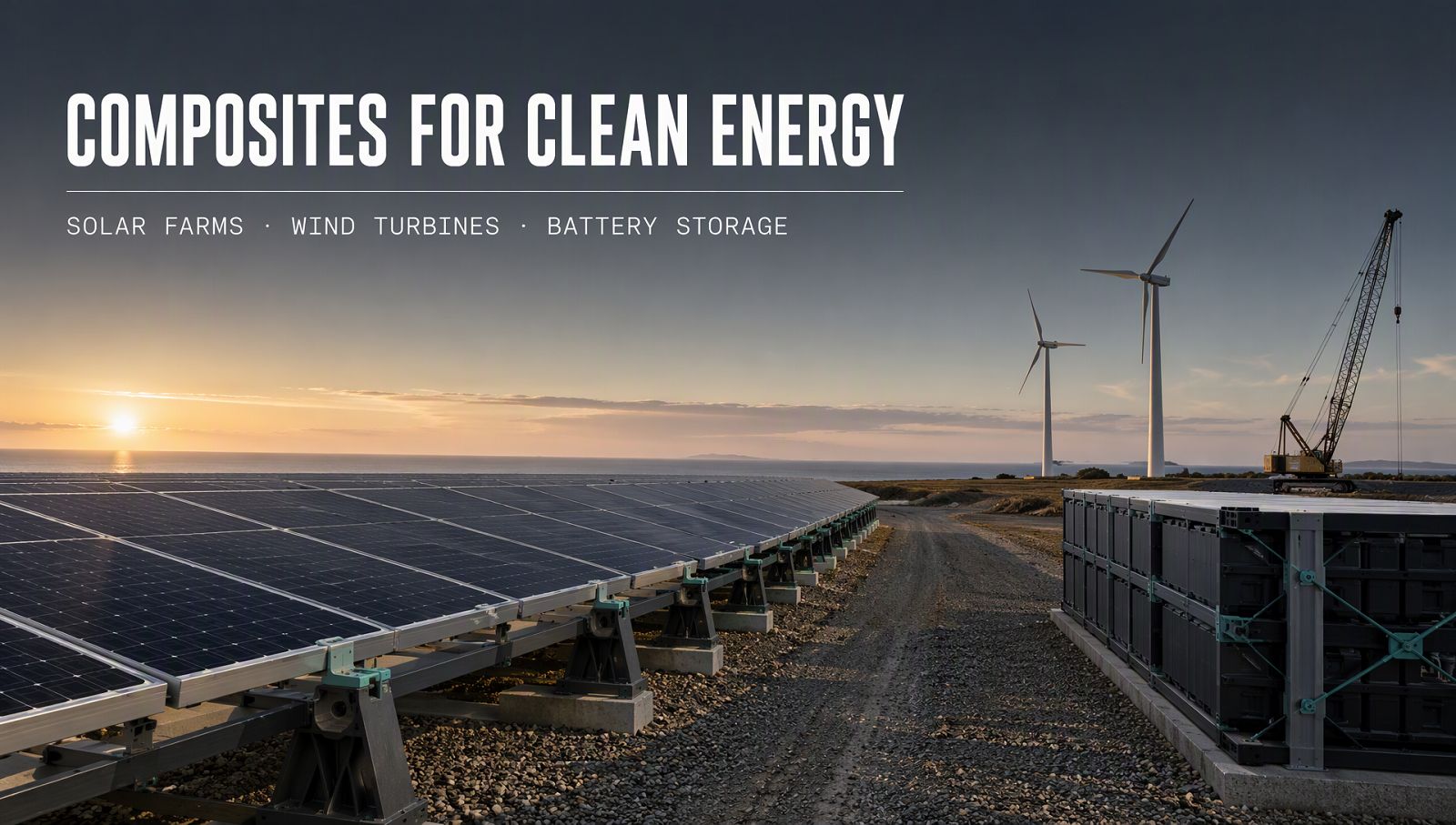
Composite materials engineered for solar farms, wind turbines, and energy-storage battery packs
From basalt-fiber PV mounting brackets that survive salt air, to polyurethane solar panel frames that cut shipping cost, to compression-grade PU battery components that hold cell stacks together - Enbuss supplies the composite and polymer parts that go into the renewable-energy projects of the next 20 years.
WHO BUYS THIS
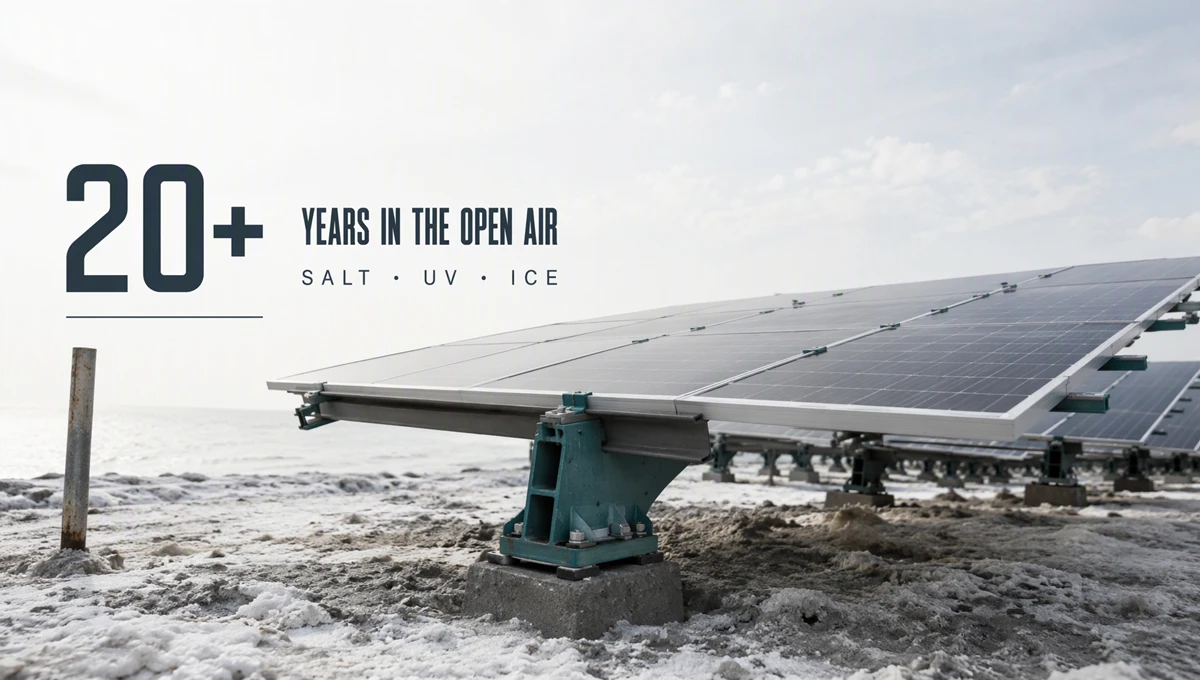
You are specifying a part that has to last 20+ years in the open air
The buyers who arrive at this category page are balancing three constraints at once.
Clean-energy component buyers typically work on long payback horizons - utility-scale solar farms amortize over 25 years, wind turbines over 20, and battery energy-storage projects over 15. The composite or polymer part you specify today has to perform for the duration of that payback, in weather that swings between coastal salt, desert UV, and northern ice, while not adding cost that erodes the IRR. We built this category page around the six component groups where Enbuss delivers a measurable advantage over the metal or commodity-plastic alternative.
PRODUCT GROUPS
Six clean-energy component groups
Each card links to a product page with engineering data, customer-fit scenarios, and a clear request form.
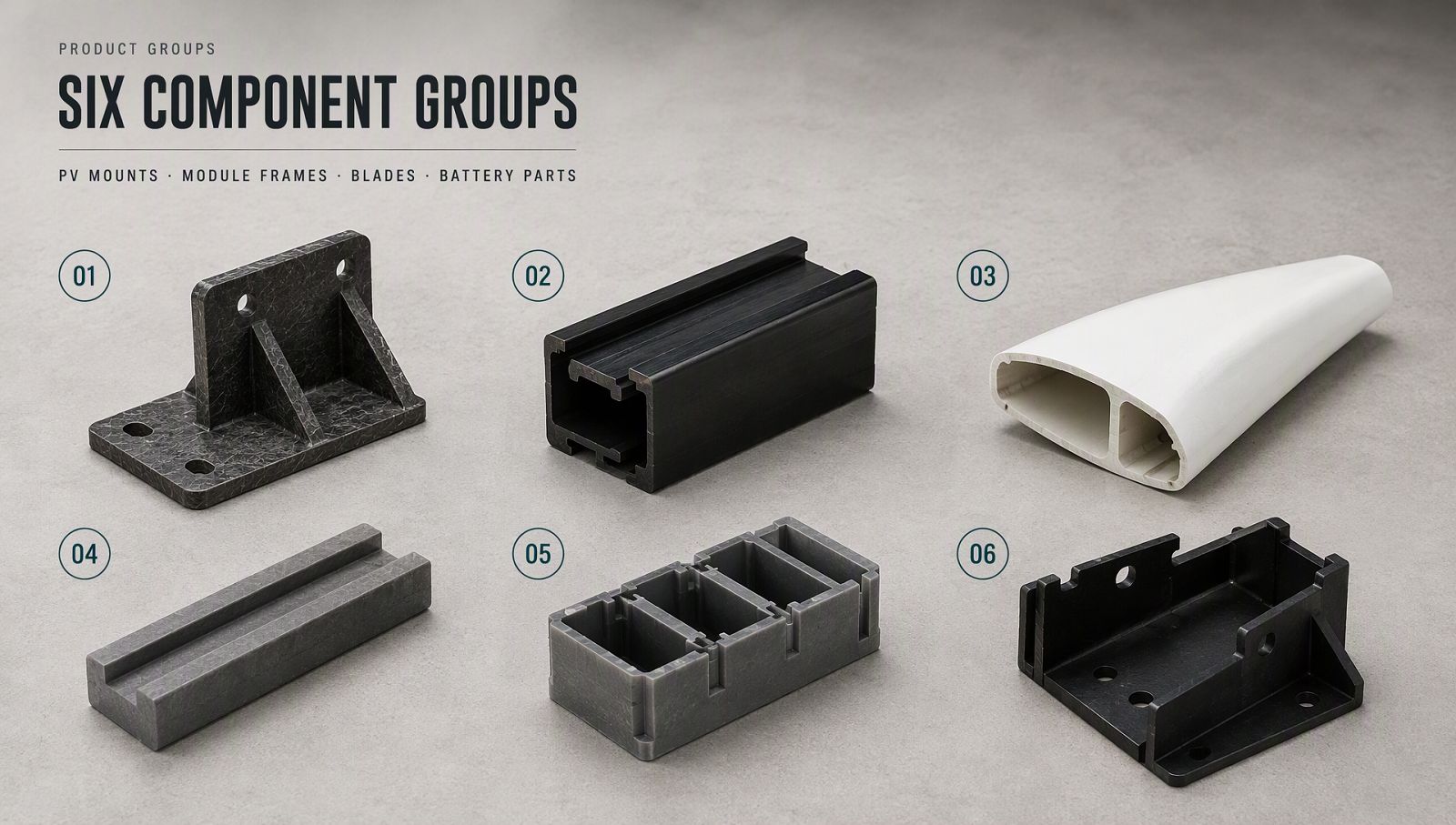
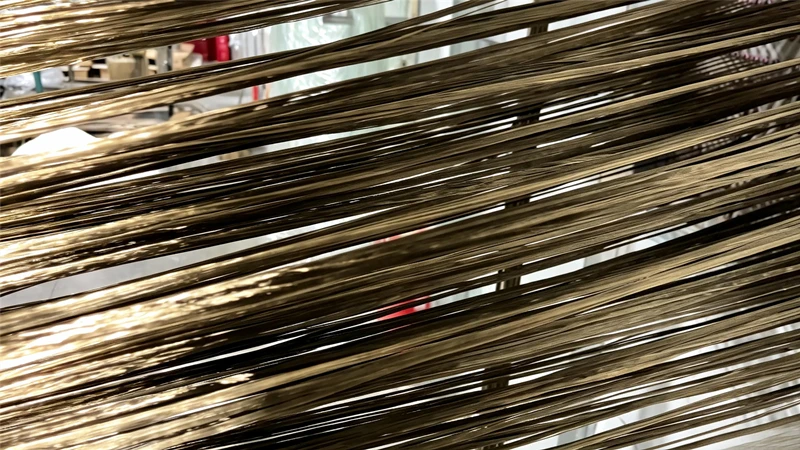
Basalt fiber PV mounting bracket
Corrosion-proof composite bracket for solar module mounting in salt, alkali, and humid sites. Replaces galvanized steel in harsh-environment projects.
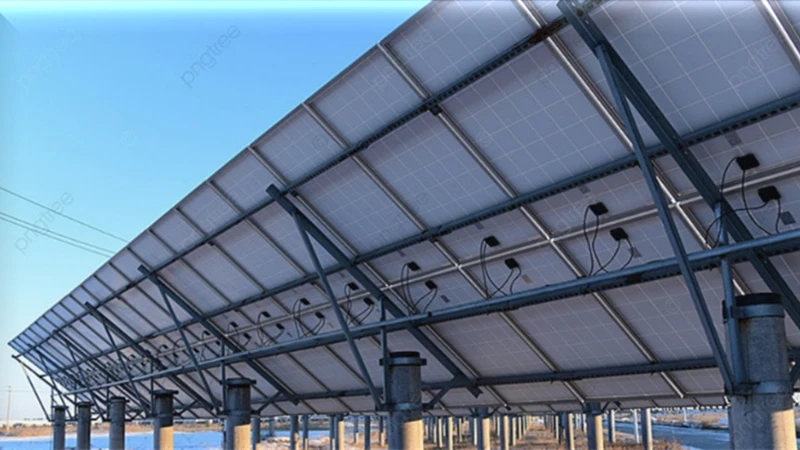
Polyurethane solar panel frame
PU frame for PV modules. Lighter than aluminum, no oxidation in salt air, lower shipping cost, compatible with standard module assembly lines.
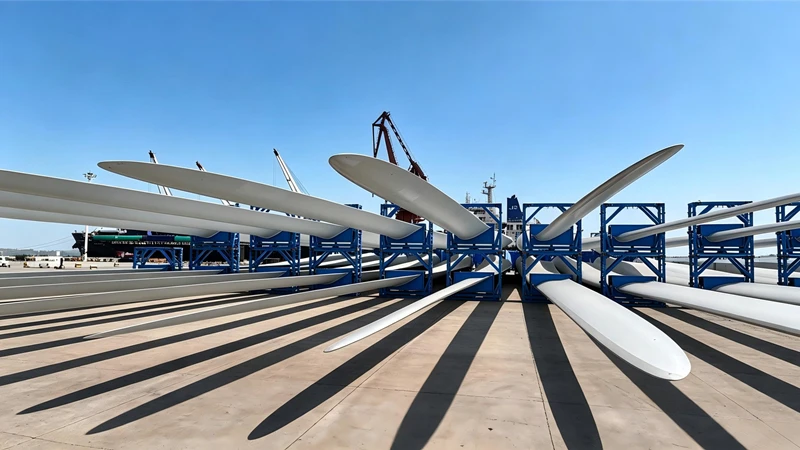
Composite wind turbine blade
FRP and basalt-FRP blades for small utility, industrial, and distributed wind. OEM replacement blades and custom rotor lengths.
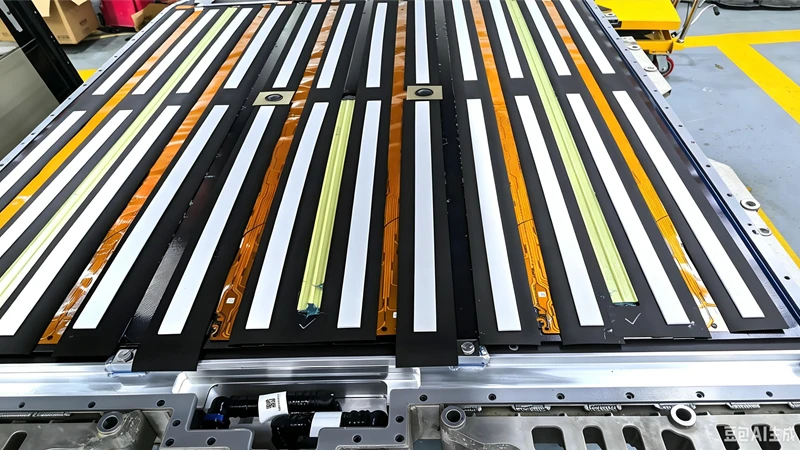
Polyurethane battery compression strip
PU compression elements that hold prismatic and pouch cells under controlled pressure across the module lifetime. Replaces metal springs.
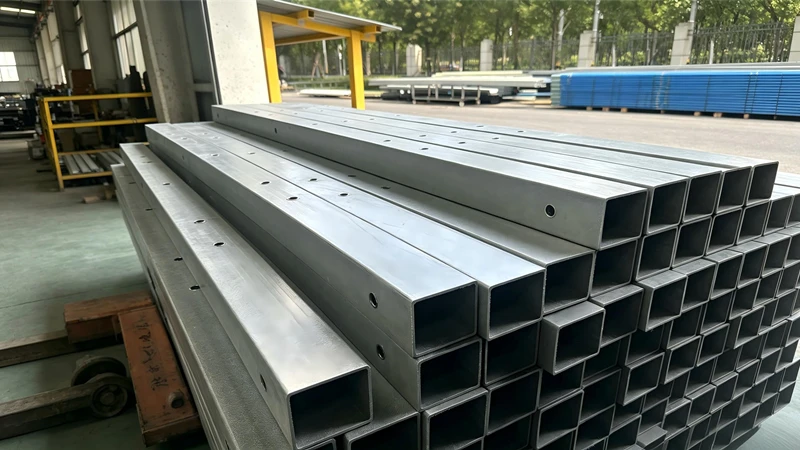
Polyurethane battery cell slot
PU cell-holding slots for prismatic and cylindrical cells. Non-conductive, fire-resistant, vibration-tolerant, dimensionally stable.
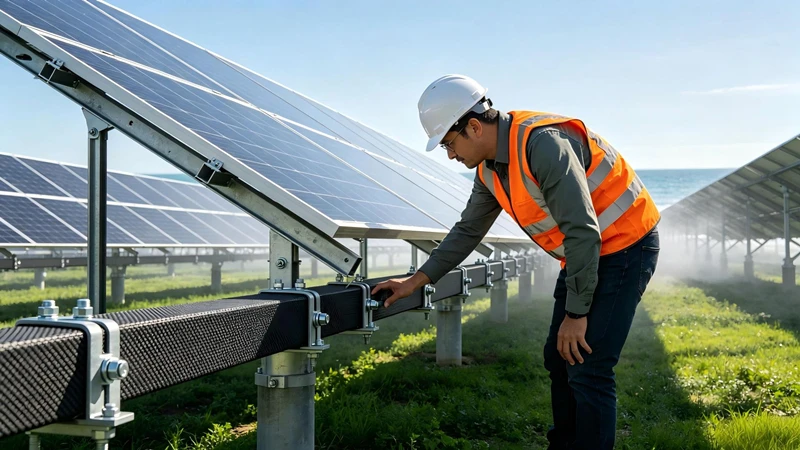
Polyurethane battery module bracket
PU structural brackets for battery module mounting. Combines fire performance, electrical isolation, and structural load in one molded part.
WHY COMPOSITES IN CLEAN ENERGY
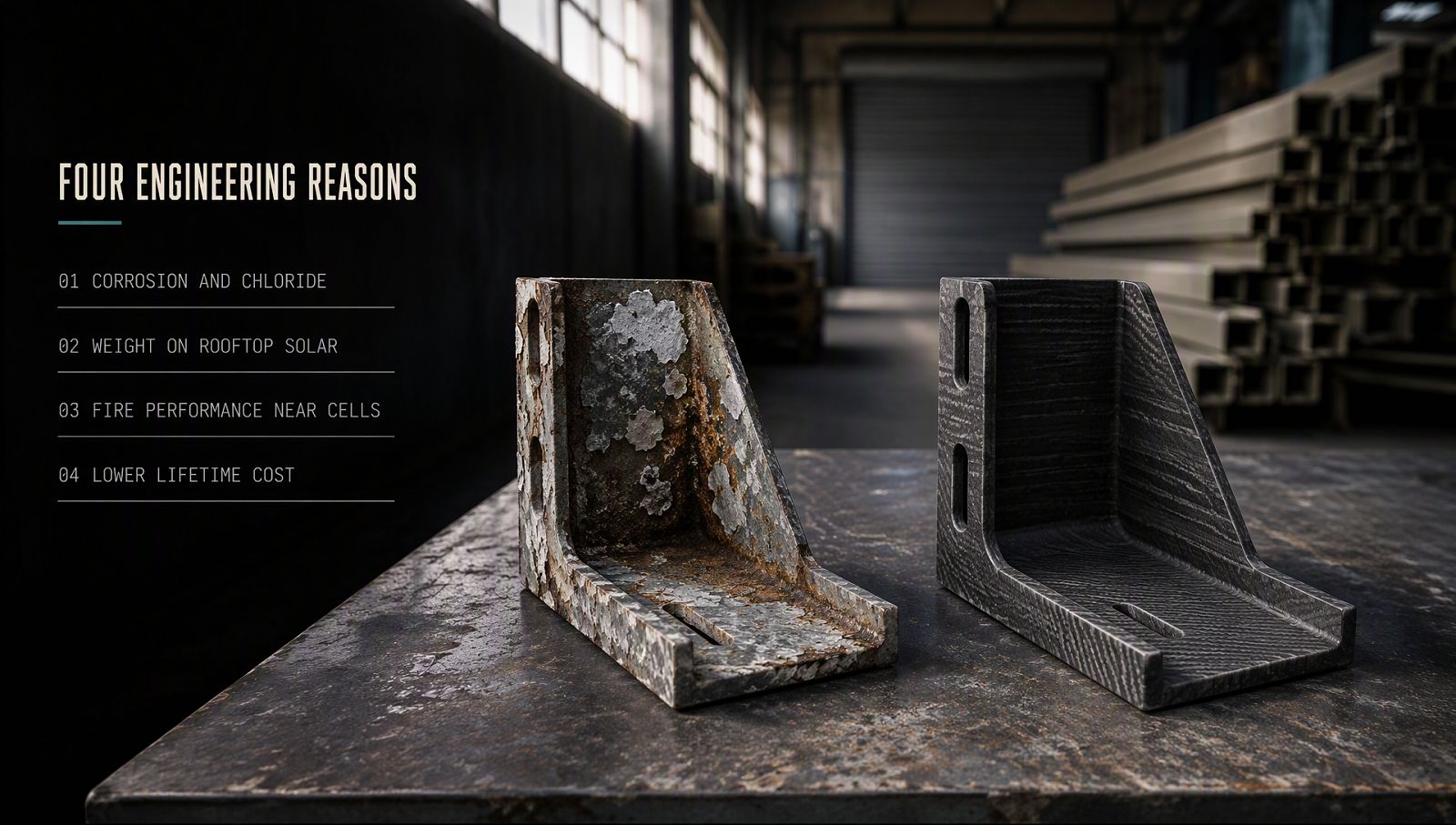
Four engineering reasons the conversation keeps returning to composites and engineered polymers
1. Corrosion and chloride
Galvanized steel PV brackets and steel battery enclosures routinely fail in coastal or alkali-soil sites within 8 to 12 years - well before the 25-year asset life. Composite and engineered-PU parts shrug off the same chloride load for the duration of the project.
2. Weight on rooftop and floating solar
A composite PV bracket weighs roughly a third of the equivalent galvanized steel bracket, and a PU solar frame cuts module mass by up to 30 percent. On rooftop solar this reduces rafter load; on floating solar it reduces buoyancy demand.
3. Fire performance around battery cells
Polyurethane battery components can be formulated to UL94 V-0 and to pass cell-level thermal-runaway containment scenarios. The right PU grade buys the seconds that matter in a battery fire.
4. Lower lifetime cost, even when capex is higher
Capex on composite and engineered-PU parts is sometimes higher than commodity metal. The 20-year cost picture, including recoating, replacement, and disposal, almost always favours the composite route.
MATERIAL DECISION
Where each common material wins - and where composites win against it
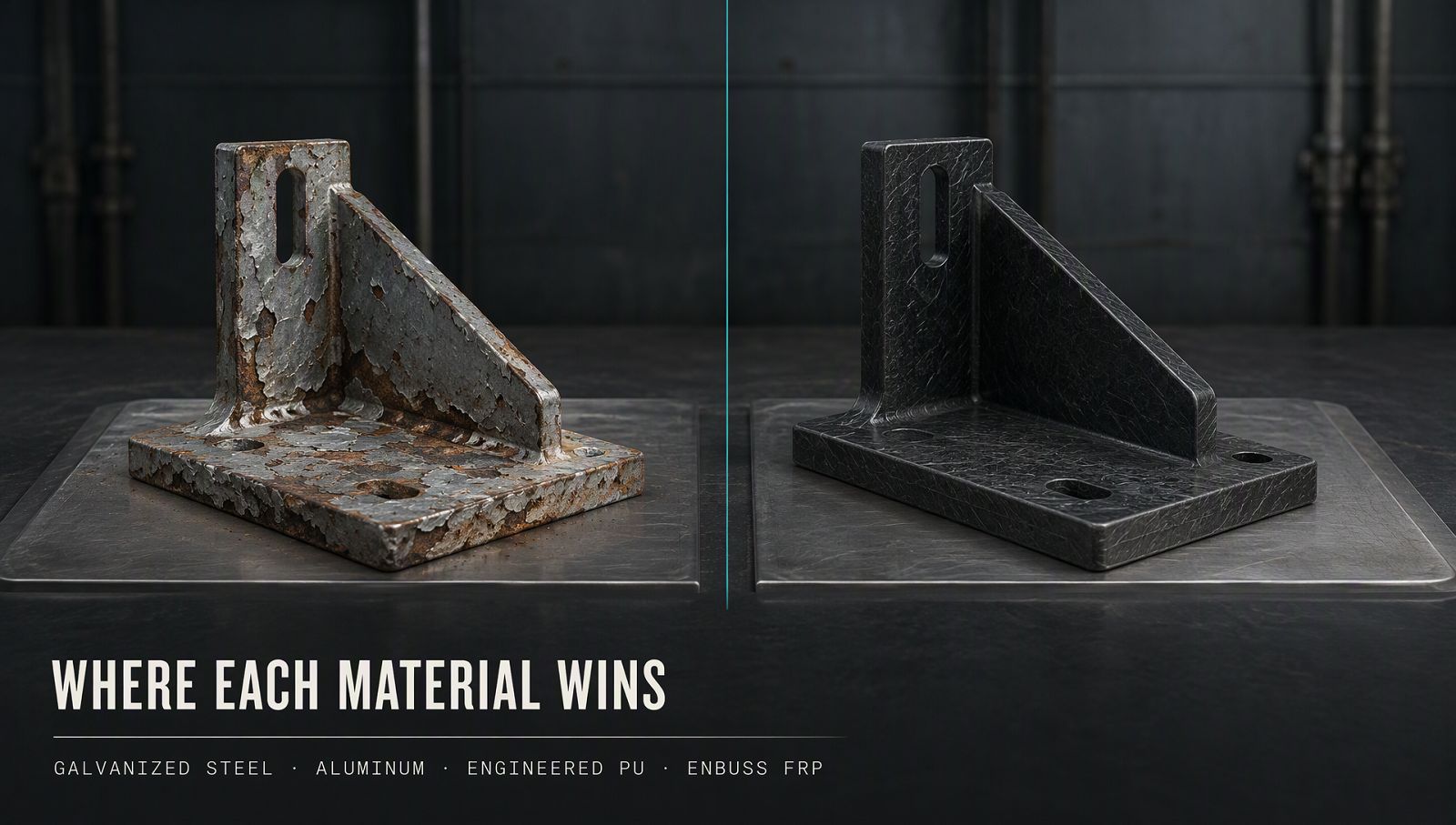
We do not pretend composites are the right material for every clause. The table below shows what each option does best. If the table tells you galvanized steel is correct for your project, take that - we will not chase an order we cannot justify.
|
Application |
Galvanized steel |
Aluminum |
Engineered PU |
Enbuss FRP / Basalt / PU |
|
PV mounting bracket in coastal site |
Rusts at year 5–8 |
Light, salt-resistant |
Not structural |
Light, salt-resistant, no galvanic risk |
|
PV module frame |
Heavy, rusts |
Standard today |
Light, no oxide |
PU frame, validated assembly process |
|
Small utility wind blade (< 30 m) |
Too heavy |
Not stiff enough |
Not fatigue-tolerant |
FRP / basalt FRP, pultruded or hand-laid |
|
Battery cell compression element |
Conductive, fatigue |
Same |
Non-conductive, controlled compression |
Engineered PU foam / strip |
|
Battery cell slot / holder |
Conductive |
Conductive |
Non-conductive, fire-resistant |
PU slot, UL94 V-0 grades |
|
Battery module structural bracket |
Conductive |
Conductive |
Non-conductive |
PU bracket, structural and isolating |
Production Process


WHO WE WORK WITH
The buyers we are set up to serve
Clean-energy composite and engineered-polymer buyers fall into five groups. We supply to all five, with different product emphases.

SOLAR EPC
Utility-scale and C&I PV project engineering, procurement, and construction firms specifying mounting hardware.
PV MODULE MANUFACTURERS
Module makers evaluating PU frame as aluminum replacement in new product lines.
WIND TURBINE OEMs
Small-utility and industrial wind OEMs, plus after-market blade replacement for installed fleets.
BATTERY INTEGRATORS
ESS and EV battery pack integrators looking for compression, holding, and structural components.
DEVELOPERS
Project developers and asset owners specifying the parts list for new clean-energy projects.
O&M TEAMS
Operations and maintenance teams replacing corroded metal or failing plastic parts on existing sites.
STANDARDS AND CERTIFICATIONS
Documented against the codes your inspector will actually ask for
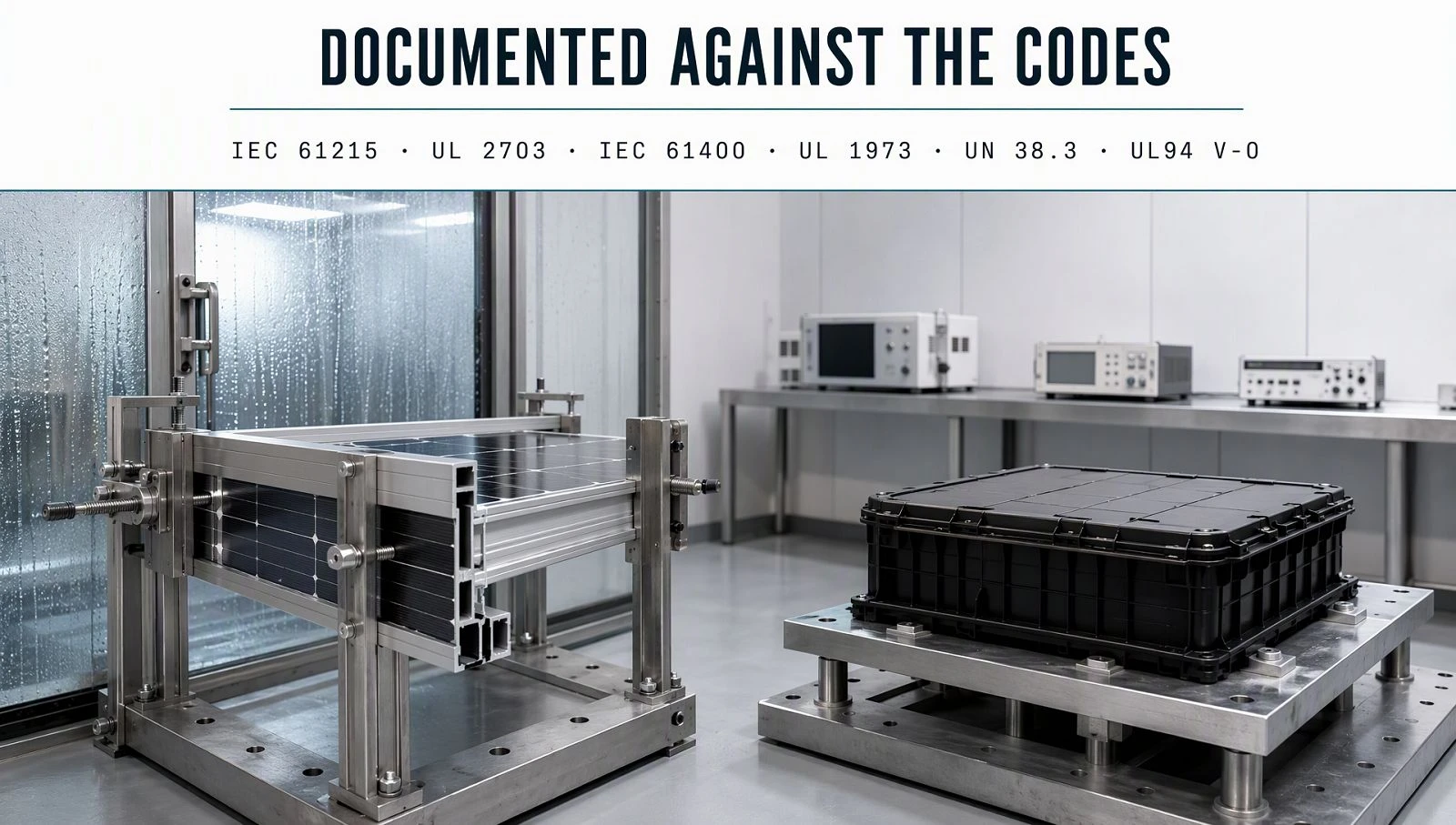
Each product page carries the standard set. Project-specific certificate copies are issued per purchase order. Where a standard is not listed, the product page tells you why we do not test against it.
|
Standard |
What it covers |
Where it applies in this category |
|
IEC 61215 / IEC 61730 |
PV module design and safety qualification |
Module-level testing when our frame is part of the assembly |
|
UL 2703 |
PV mounting system clamping and bonding |
PV mounting brackets and grounding |
|
IEC 61400 |
Wind turbine design |
Wind blades within their turbine envelope |
|
UL 1973 / IEC 62619 |
Stationary energy storage batteries |
Battery pack components for ESS |
|
UN 38.3 |
Lithium battery transport |
Battery pack transport testing |
|
UL94 V-0 |
Plastic flammability rating |
PU battery components |
|
ASTM D638 / D790 |
Composite tensile and flexural |
FRP / basalt FRP pultrusions |
|
ASTM D2240 / D412 |
Polymer hardness and tensile |
PU compression strips and brackets |
Send us your project brief or BOM
Send a one-line project description - site type, asset class, expected service life - and we return a kit-of-parts proposal, fixed lead time, and the certification pack your next-gate review will ask for.