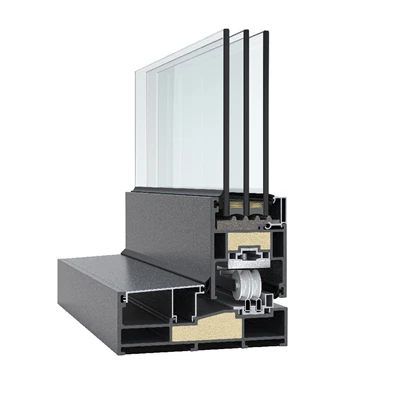
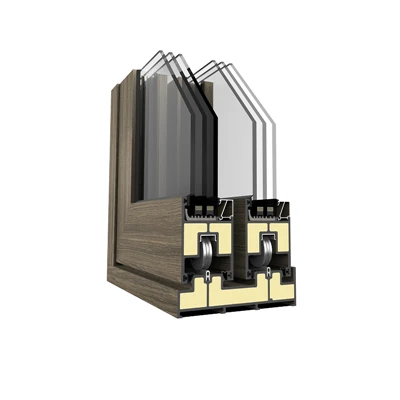
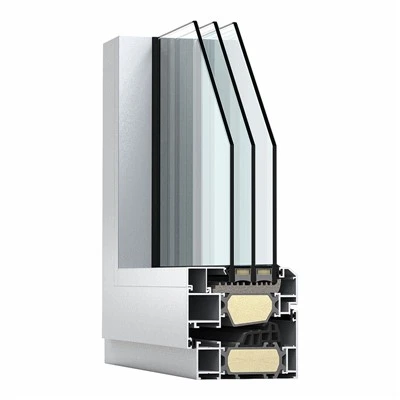
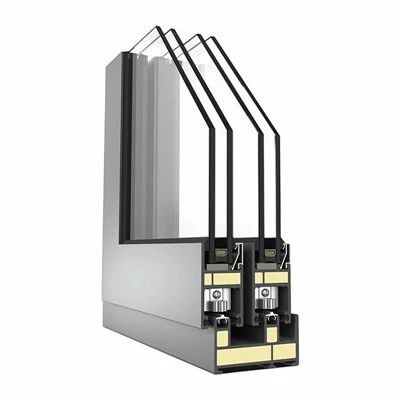
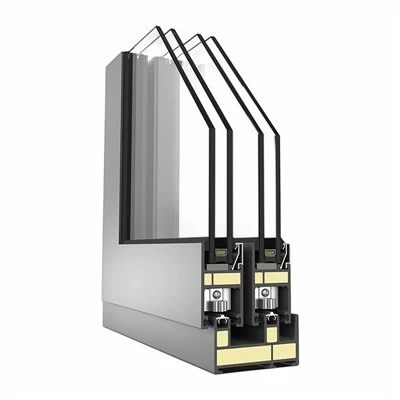
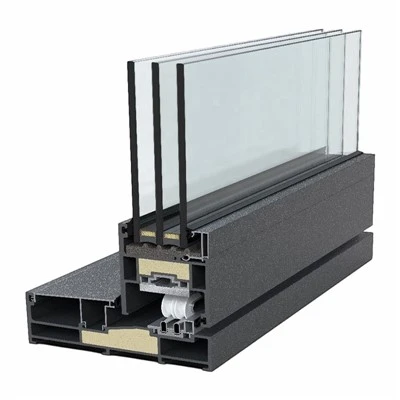
In 2025, the door and window industry is transitioning from traditional manufacturing toward high-tech, high-value-added operations. As a key segment of this sector, fiberglass (FRP) doors and windows are demonstrating strong momentum in energy efficiency, smart integration, and production capacity optimization. Through automation upgrades and product innovation, enterprises are not only enhancing their market competitiveness but also driving building energy conservation and sustainable development. Continued growth in both global and domestic markets provides ample opportunity for fiberglass doors and windows. Meanwhile, falling prices for new materials-such as carbon fiber-are creating favorable conditions for cost optimization and expanded applications.
However, the development of fiberglass doors and windows in my country has been slow. First, production processes for fiberglass profiles remain imperfect, characterized by low efficiency and high scrap rates; a shortage of skilled technical workers compounds the issue, as profiles often require extensive repair before assembly, potentially compromising the final product's integrity. Second, assembly techniques are immature; the process is complex and inefficient, requiring highly skilled labor to achieve high-quality results. Third, these products are difficult to protect during installation; their inherent hardness and brittleness make them prone to damage from impacts, which is difficult to repair. Fourth, some manufacturers have treated fiberglass doors and windows merely as a marketing gimmick; they sell flawed production technologies to other manufacturers, who then apply these imperfect processes to production, resulting in problematic products that tarnish the reputation of fiberglass doors and windows in the eyes of customers.