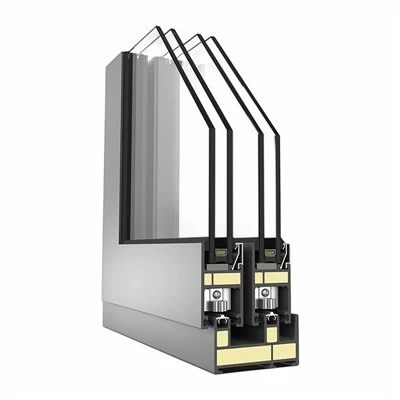
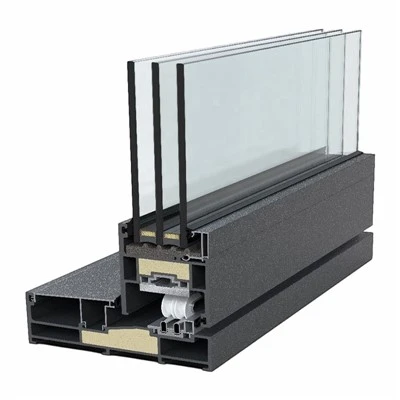
There is a wide variety of architectural doors and windows; broadly speaking, they fall into two main categories: industrial and civil. Internationally, the evolution of doors and windows is categorized into four generations based on functional development:
The first generation consists of windows for natural lighting, ventilation, and visibility or observation;
The second generation comprises security/protective doors and windows, as well as decorative ones;
The third generation includes energy-efficient, thermal-insulating, heat-insulating, airtight, soundproof, and corrosion-resistant doors and windows;
The fourth generation consists of smart windows, primarily including "breathing" windows, sensor-equipped windows, remote-controlled windows, and eco-friendly, antibacterial windows.
Categorization based on the development of production capabilities-which essentially tracks the chronological order in which doors and windows made of different materials were introduced-yields three generations:
The first generation: wooden doors and windows;
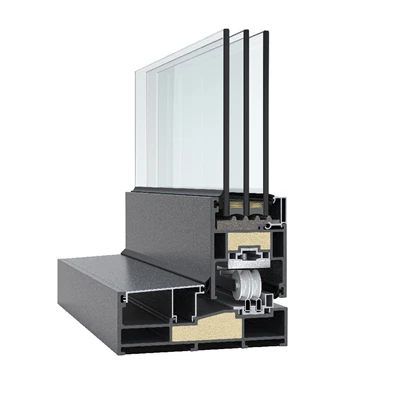
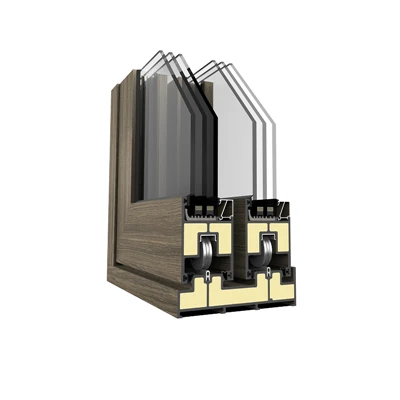
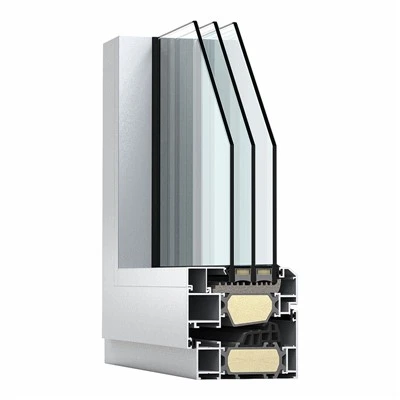
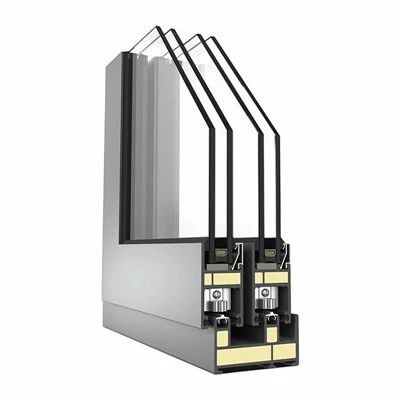
The second generation: metal doors and windows, including steel, aluminum alloy, and copper (note: as copper doors and windows are a high-end, artisanal product that has only appeared recently and holds a negligible market share, they are not discussed in this article);
The third generation: plastic doors and windows, including PVC and fiberglass (FRP) varieties.
Domestically, the industry typically classifies doors and windows chronologically into five generations: wooden, steel, aluminum alloy, PVC, and fiberglass.

 English