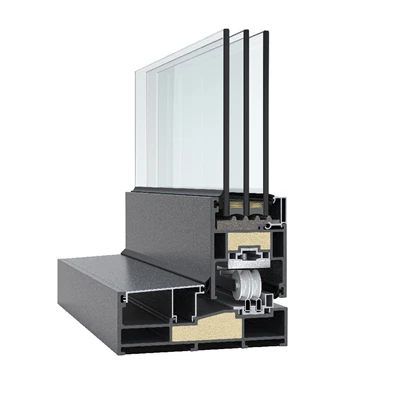
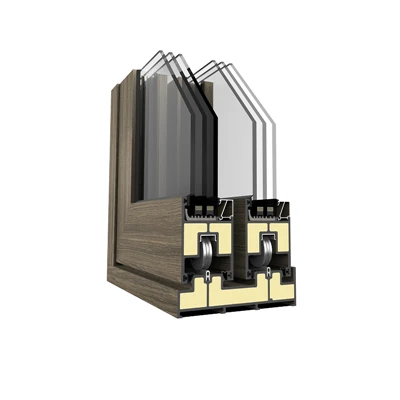
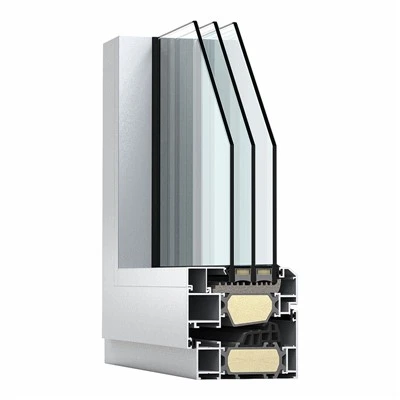
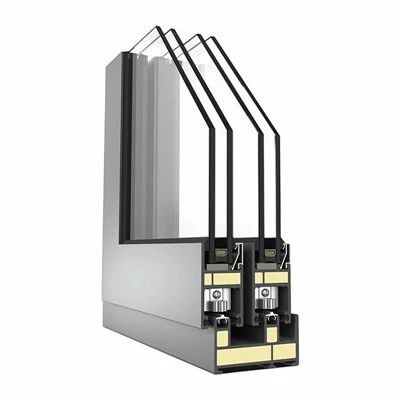
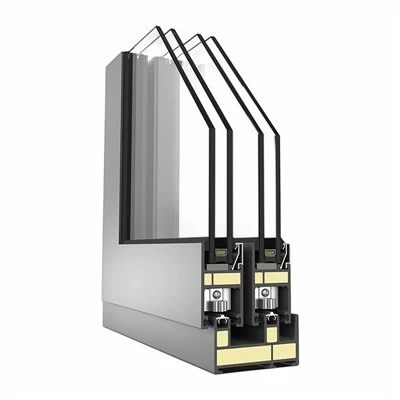
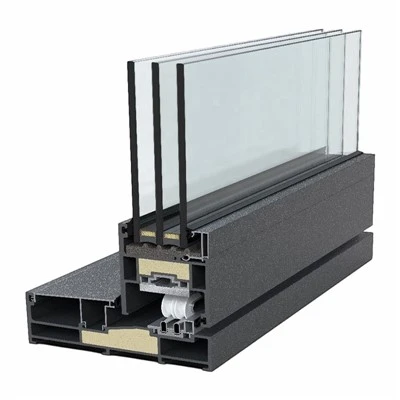
Fire-resistant windows have a long history of use. The earliest versions were made of steel, with technical specifications governed by the standard GB16809-1997, *Steel Fire-Resistant Windows*. While these standards mandated thermal insulation performance, they did not require automatic sash closure. Subsequently, GB16809-1997 was revised and replaced by GB16809-2008, *Fire-Resistant Windows*. This updated standard introduced requirements regarding the static operating temperature of heat-sensitive elements, the reliability of sash closure, the time required for automatic closure, and testing methods for operable fire-resistant windows; these changes were primarily driven by safety concerns regarding windows lacking automatic closure capabilities. Fire-resistant windows have also become more diverse. They are categorized by frame material-including steel, wood, steel-wood composite, and other materials-and by fire-resistance rating, distinguishing between insulated and non-insulated types. Insulated fire-resistant windows are further classified into Class A, Class B, and Class C.
There is no precise, formal definition for "fire-resistant window" within my country's standardization system; rather, the term is a widely accepted industry designation for exterior windows that maintain fire integrity.